WELCOME TO THE SHOW!
Still need directions for the show or have questions about accessibility?
Click here for complete information on Benson Auditorium!
SCHEDULE
6:45pm - Doors open
6:50pm - Pre-concert chat with Bora Yoon, Kenji Bunch, & Katherine FitzGibbon
7:15pm - Pre-concert chat ends
7:30pm - Performance begins
The program is approx. 100 minutes with one 15-minute intermission
9:30pm - Concert Ends
-
Read more about Bora’s solo works in a special section below!
-
Infinite Light, commissioned by Voices of Ascension for their program “A Voice of Her Own,” is a choral work with light electronics featuring the ancient poetry of Sufi mystic poets Rumi and Hafiz. The first movement is an interlude, traversing between worlds of the modern and medieval, featuring various quotes by 13th century Persian, Islamic scholar and ancient mystic Rumi, grouped together thematically, to create aleatory of logic, tension, and dialogic coincidence and resonance.
In all of my work, I believe it is paramount to induce a sense of transport, or transmuting (of materials, perceptions, etc.) and the choral sound has always been to me, something I visually associate with beams of light, whether due to vowel purity, or ability to create a sense of vertical harmony with horizontal time, simultaneously. I felt it was very important amid this movement of empowerment of women’s voices, to engage and include the voices of a larger diversity beyond gender -- to race, class, orientation, and deepen classical music’s commitment to diversity, and intersectionality, while employing music’s power to foster empathy, and reach transcendent planes.
Though written within the language of the Muslim faith, Islamic tradition, culture, and alternative lifestyle, I was struck by the shared humanity, wisdom, and truth of these ancient words and imagery, and I wanted to bring this interfaith perspective and cross-cultural resonance to the foreground ‘A Voice of Her Own’, as the bond that brought these seemingly differing cultural and choral worlds together.
This work is written for, and dedicated to the indomitable spirit of the amazing Judy Cope.
-
The Columbia River is a defining element in the geography of the northwestern region of North America. With headwaters in the snowmelt and lakes of the Canadian Rockies, over 60 tributaries converge on the Columbia as it travels through southeastern British Columbia, Idaho, Washington, and Oregon, before dispersing into the Pacific Ocean. In addition to its wild runs, the Columbia's natural course and habit have been altered by over 40 dams, yielding irrigation, transportation through locks, and electricity at various points.
The musical idea of the river's journey begins with a slow and simple ascending arpeggio that outlines the distance ahead and gradually gains enough momentum to build to a rivulet flowing along in the high mountains. The Kootenay River tributary joins in, characterized by an icy sound in the high range of the flute representing its origins in glaciers and its running rapids and precipitous drops from the Canadian Rockies. Music of the Kootenay, and the other themes, stops midstream for a dam and the crackle of electricity it generates before continuing on. After a journey from volcano territory and through Hell's Canyon, the enormous Snake River joins the flow with a sinuous oboe melody, which quotes a whole-tone and rather hellish variation on a British Columbian folk song, "The Song of the Sockeye," and moves the entire river into the whole tone scale for the journey. A calm and glassy clarinet depicts the lake origins of the Pend Oreille River and the way the tributary cuts and creates space through the American Rockies.
Finally, industrial rhythms outline the character of the Willamette River as a major transportation and shipping corridor in the area. Quotes from the "Song of the Sockeye" return in their original form, and the river, ever running downhill, broadens and flows into the expanse of the ocean.
-
Semaphore Conductus is a surround-sound electroacoustic choral work, inspired by the conduction of energy, the language of signals, and sound. Accompanied by a pre-recorded sound design score of shortwave radio number system transmissions*, Morse code*, cellphone sounds, and heartbeats - the choir and antiphonal soloists create a stereophonic performance piece, surrounding the audience. The piece employs early music techniques of hocket (melody linearly distributed amongst various parts), double choir, and antiphony through the history and evolution of signaling and sound devices (conch, gramophone, megaphone, walkie-talkies) within a Latin conductus (a sacred but non-liturgical Medieval vocal composition).
The text is comprised of new and old Latin proverbs that allude to the cyclical nature of communication and technology. The spatial arrangement of the chorus embodies the vernacular of contemporary sonic geometry, found today in the visual language used by modern digital interfaces to signify signal strength, volume, and power – which are akin to venue acoustical structures, patterns of sonic resonance, and audience seating design.
A dialogue between the iterative evolution and timbres of communication devices over decades and centuries, Semaphore Conductus speaks to the notion of music not only as art but as energy, a conductive medium for communication, resonance, and expression – across distances, formats, and time.
-
Text by Beth Ann Fennelly
Zero at the Bone from Ten full Moons, a work originally for soprano, mezzo, violoncello and piano—here adapted for piano quartet—honors different, often invisible, strains of mothering. Each of the solo voices (violin, viola) embodies at different points, mother of a living child and mother of a longed-for child who struggles with infertility and miscarriage; the two voices together depict a mother of a child who has died. The duets, in order to evoke the spiritual nature of the conversations with one’s departed child, use as a model Benjamin Britten’s Canticle II: Abraham and Isaac where he uses the voices in rhythmic unison to emulate the voice of God. The beautiful Eb sonority –the “God chord”—at the beginning of Britten’s work is an important musical motive throughout my work.
This harmony appears throughout the cycle both in explicit quotation and also greatly transformed in line with the local level meaning in the texts.
Zero at the Bone addresses the sometimes painful question, “How many children do you have?” This question is a refrain woven through the original poem. This recurring text is treated in varied ways rhythmically to capture the differing subtexts and intonation of that question depending on the person being asked; the violin asks the question at their first entrance and that rhythmic motive recurs several times throughout. The synthetic scale used here is a linear expression of the final harmony in the previous song—it contains the Eb sonority plus added dissonant tones and is rotated to a new tonic. The various transformations of the Britten harmony throughout this cycle are a musical metaphor for a process of integration and orientation shifts that occur when healing from trauma—the history doesn’t change, but how we relate to our story does, from incredibly conflicted to some form of equanimity over time.
This piano quartet version being premiered tonight represents a recent series of experiments of shifting the lead melody in my songs from voice(s) to instruments. I’ve been mulling over why this seems to work. I think it has something to do with the fact that when composing songs, I create a musical ecosystem that is tailor-made for each poem. The harmonic language, texture, rhythm, and melody are all made to resonate with and to serve the emotions and images of the words. It seems that because of this approach, the essential energy of the poem remains in these instrumental versions even without the sung text.
Original text of Zero at the Bone, from tender hooks:1. How many children do you have
There’s just one answer, and it’s wrong.
2. How many children do you have?
Ann, I’m sending you this grid
of imaginary numbers,
whole notes.
3. How many children do you have?
We’ll make a place where they can count.
4. How many children do you have?
Zero’s always where you start
and though you never say it,
it’s always there. The zero’s there.
Zero at the bone. The zero counts.
5. How many children do you have?
I came across my school notes
on The Waste Land, with
“the excised Fresca section,
the felt absence at the center
of the poem.” And beside that,
I’d doodled a rococo question mark—
not yet understanding
how absence can define itself,
how, the more you put
behind, beside, in front of it
the more pronounced its corners grow,
the edges sharper honed.
Touch them and you’ll bleed.
6. How many children do you have?
The belly of the hole puncher
packed with paper circles,
byproducts, remainders, felt
felt absences.
-
Per usual, when Kathy asked me to write a piece for Resonance, I had a few ideas floating around in my head. Also per usual, I had trouble finding one that would stick. I found motifs, lyrics, harmonies, but nothing that was grabbing me in an obvious way. Throughout my creative writing practice though, something I’ve heard from many people is that it’s still important to write even when inspiration is not obviously presenting itself, so I took a few months to lean into that practice.
Sure enough, some of the ideas began to develop more, and eventually there were around 3 or 4 that were vying for attention. I kept at them, wondering which would become the final piece. It always helps me to write from a place I know, and writing has always been a form of emotional processing for me. Themes of determination and resilience were relatively loud, and took different forms. Those themes have been recurring for a few years in my writing, I think in particular as an emotional self protection practice. It’s like reminding myself, “What you’ve gone through is real. It’s ok to feel what you need to feel.”
On the day It’s So Quiet’s opening melody appeared in my life, I was hit with a wave of intense sadness, shock, disbelief, and grief in the middle of the night, and the quiet of night felt especially loud. I wondered if my heart was ready to be done with me, sort of like a “Why do you keep putting me through this?” kind of energy. I’ve ask my heart to be resilient in the face of a lot of hard things, and I do sometimes feel hardened by the outcomes of things that I thought were going to go differently, or life altering shifts I didn’t anticipate, ask for, or wish for. The burden of carrying a weight that was not asked for can truly take a massive toll, and I have found myself on a pendulum of “I am strong” and “I can’t do this anymore” for many many years.
At the end of the day, and in working to care for myself in the face of those things, it’s ultimately a practice in learning how to protect my mind and my heart and well-being, whilst not completely hardening to the world.
The different soloists take this journey, their melodies in the emotional and sonic world similar to an Irish ballad like “Danny Boy”. The enveloping harmonies and outer movements of the rest of the voices I think come from my orchestral and vocal jazz background and influences, creating an environment around each soloist as they explore the different emotion in their line of text.
The piece evolves to a place of resolve I want to emulate, one where even in the darker moments, I can still find hope, that feeling worthy of good things isn’t contingent on perceived success or failure, and remember that I’m not alone. I have worked hard to build the muscles to find that kind of strength and resolve. I hope it can bring similar resolve to others who struggle to find it. In time we see that even though it sometimes feels like it, we’re not alone.
Thanks for reading and for listening. ’Til next time.
-
This is a piece about being our true authentic selves, with all our vulnerabilities, imperfections, and messy needs. So many of us are exhausted by performing capability, success, and happiness constantly, in person and online. It’s easy to worry that if we stop doing that, people won’t like the squishiness they see. I fall into these traps on a regular basis. But the entire reason I make art is to open myself up and share, and to receive and empathize with the experiences of my community. We weren’t meant to go through life walled off from one another. We can’t do it all alone. My wish is that we all can be more permeable, like the salamander and the sponge. I Want to Be Soft was commissioned by Denise Bird for her Art Songs for New Beginnings Project in 2022. I subsequently created this version for violin and piano.
-
so quietly was written for the Brooklyn Youth Chorus in the summer of 2016. I wanted to make something that reflects the experience of being a quiet person in the room, wanting to express an opinion or idea, but lacking the courage to speak up and take up space. It is an experience I often had in school growing up, and it is something I have observed in other people (often young women) in a group setting where the discourse is dominated by just one or a few. Writing the piece was part of my own reckoning with the responsibility to participate more actively, to be just a little louder, to speak up for myself and others, and to contribute joy and music, even when it feels difficult.
-
Read more about Bora’s solo works in a special section below!
-
Inspired by virtuosic Venetian composer and singer Barbara Strozzi (1619-1677), Sospira, respira features text she set and perhaps wrote for a duet of treble voices with continuo and further expands on her powerful artistic vision of featuring the voice as pure sound, freed from the bounds of text and released into the emotional realm. Modal scales, select chromaticism, the allusion to continuo in the cello solo, and modern vocal techniques and textures bring a fresh perspective to Strozzi's alliterative, rhythmic, sound-based lyrics, while paying tribute, more than four centuries after her birth, to this original, potent voice as wielded by a mistress of her craft.
-
Read more about Bora’s solo works in a special section below!
-
Text by Gabriel T. Guillaume
This piece was written in 2017 at a time when DACA (Deferred Action for Childhood Arrivals) was being debated in the United States because of a suggested end to the program that granted temporary protection from deportation to nearly 700,000 young people. As an immigrant from Haiti who migrated to the U.S. with my family at 11 years old, I was deeply affected by the uncertain future the “DREAMers” were facing through no fault of their own.Since the premiere of the piece in 2018, there have been some gruesome acts against immigrants and refugees, including children being separated from their parents at the U.S. border. My hope is that this piece brings to focus a part of the immigration debate that is often forgotten – the humanity of the refugees fleeing their countries.
-
Kim Stafford's poem found its way to my attention by way of a singer in my community choir. She passed it on to me, knowing how I am always seeking powerful, transformative texts for my choral compositions. Stafford had disseminated his poem on the internet in 2005. "Friend: Download this Free Proclamation for Local Use," immediately piqued my interest. I deeply resonate with the theme of hopelessness met with personal resolve found in this powerful poem. As a choral composer and conductor, I have always felt a calling to use words and sounds to provide a platform for community. Community that is also a place of sanctuary where singer and listener can openly express compassion and feel her/his own emotional vulnerabilities. And so I feel a great affinity with the "vocation" expressed in the resolution of the proclamation. This feeling was confirmed, when after Kim Stafford heard "Be It Therefore Resolved" for the first time, he wrote to me: "I don't know that I have ever experienced such an intimate and generous consideration of something I have written as heard in your setting, word by word, syllable by syllable."
When I first sent the poem to David Simmons, director of the Congressional Chorus, for consideration as CC's commission text, it was without realizing that legislative resolutions are written in the same format as Stafford's poem; an auspicious coincidence! When reading an official proclamation aloud, one does not usually repeat lines of text. So with the exceptions of the opening cries of "fire" and "shouting," this setting is through composed, free flowing without repetition of lyrics within voice parts.
PROGRAM
Click here to peruse the digital version of our program, or continue below to read more about the programmed works.
program subject to change

We'd Love to Hear from You!
Please take a few minutes to fill out our audience survey - your responses help us better understand your experience at Resonance events, as well as allowing us to better communicate how our work helps our community to potential donors, funders, sponsors, and granting organizations.
Thank you for your time in providing this valuable feedback!

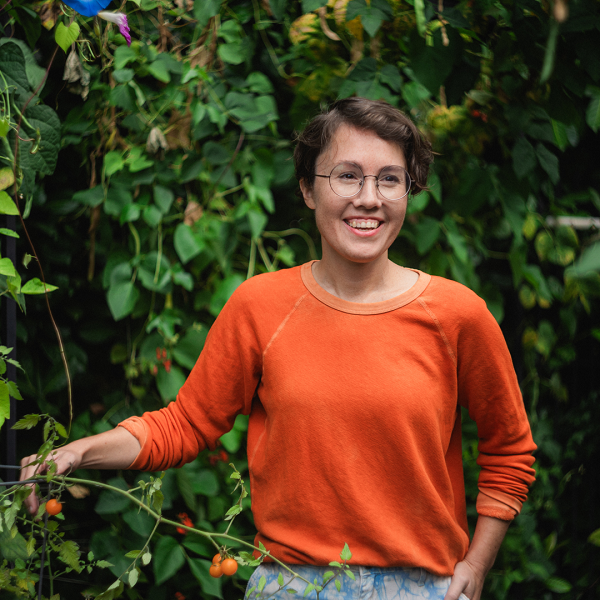


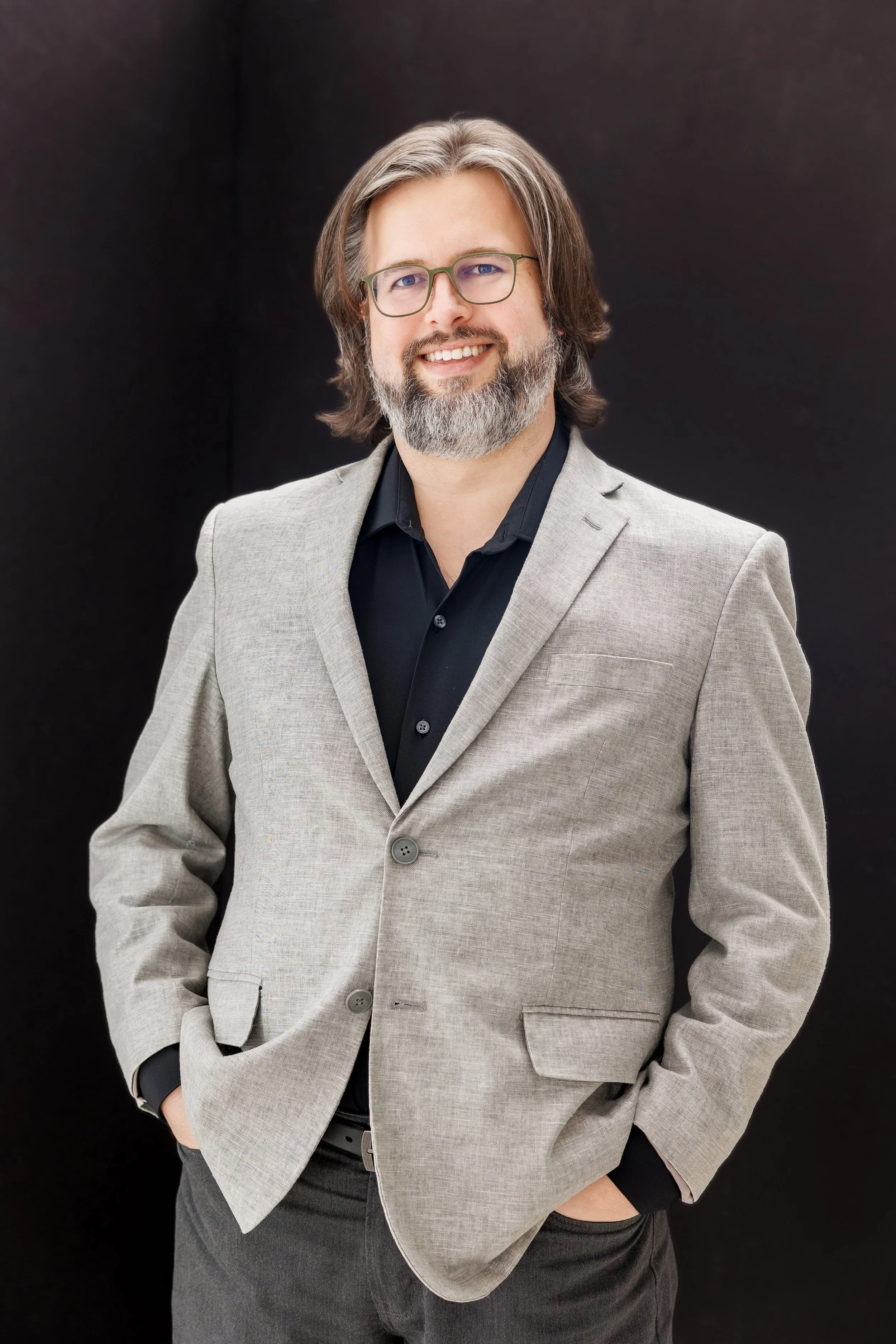
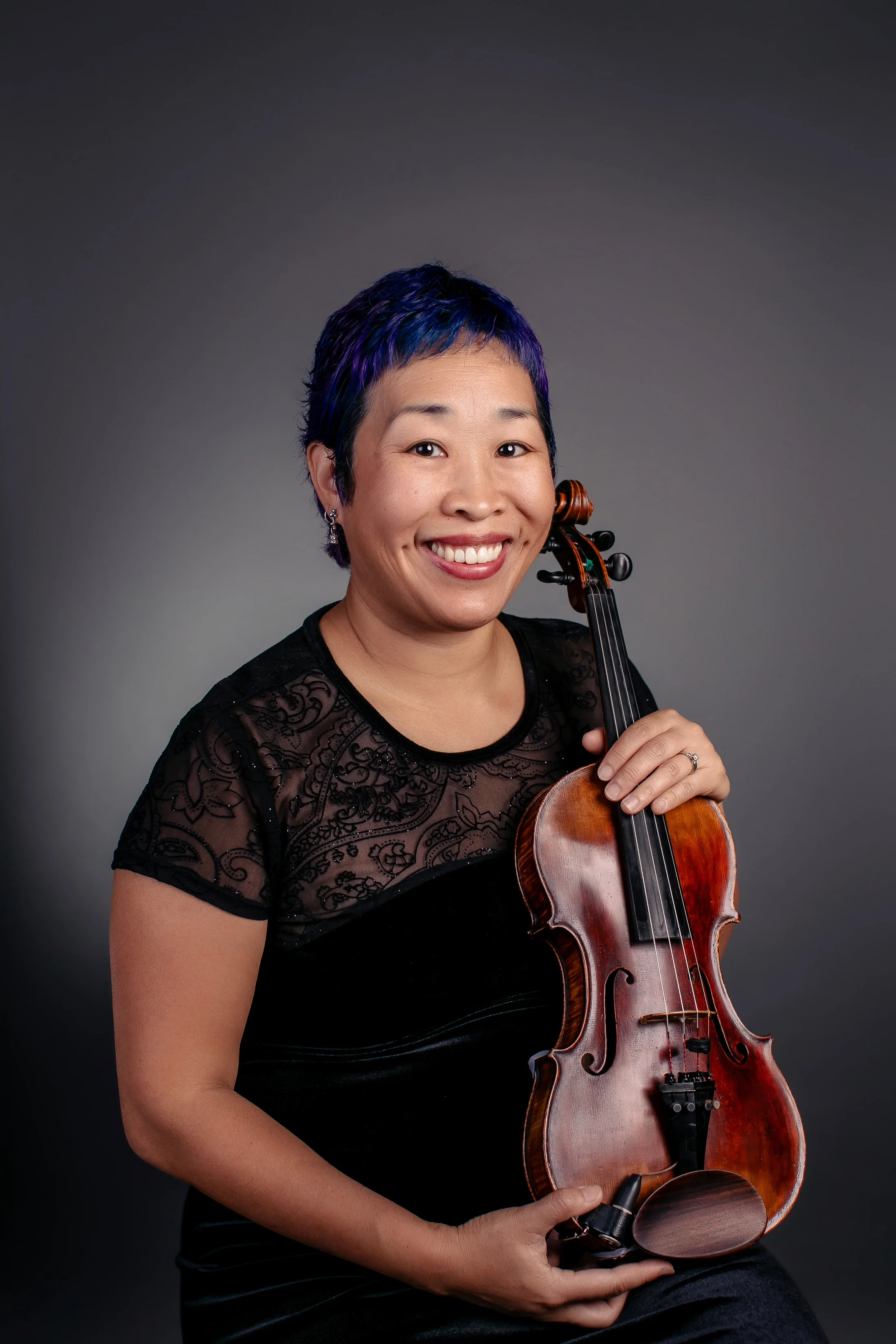
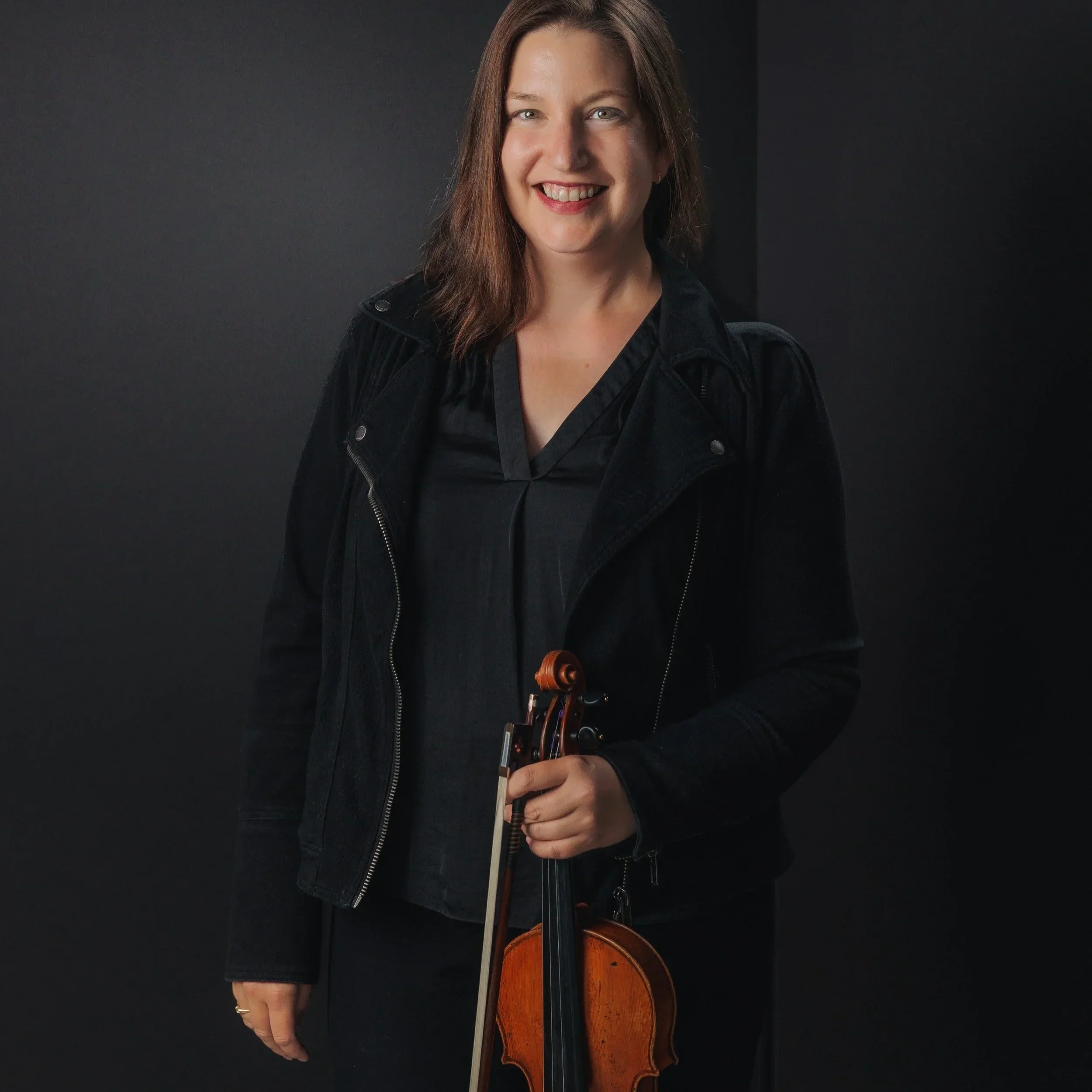
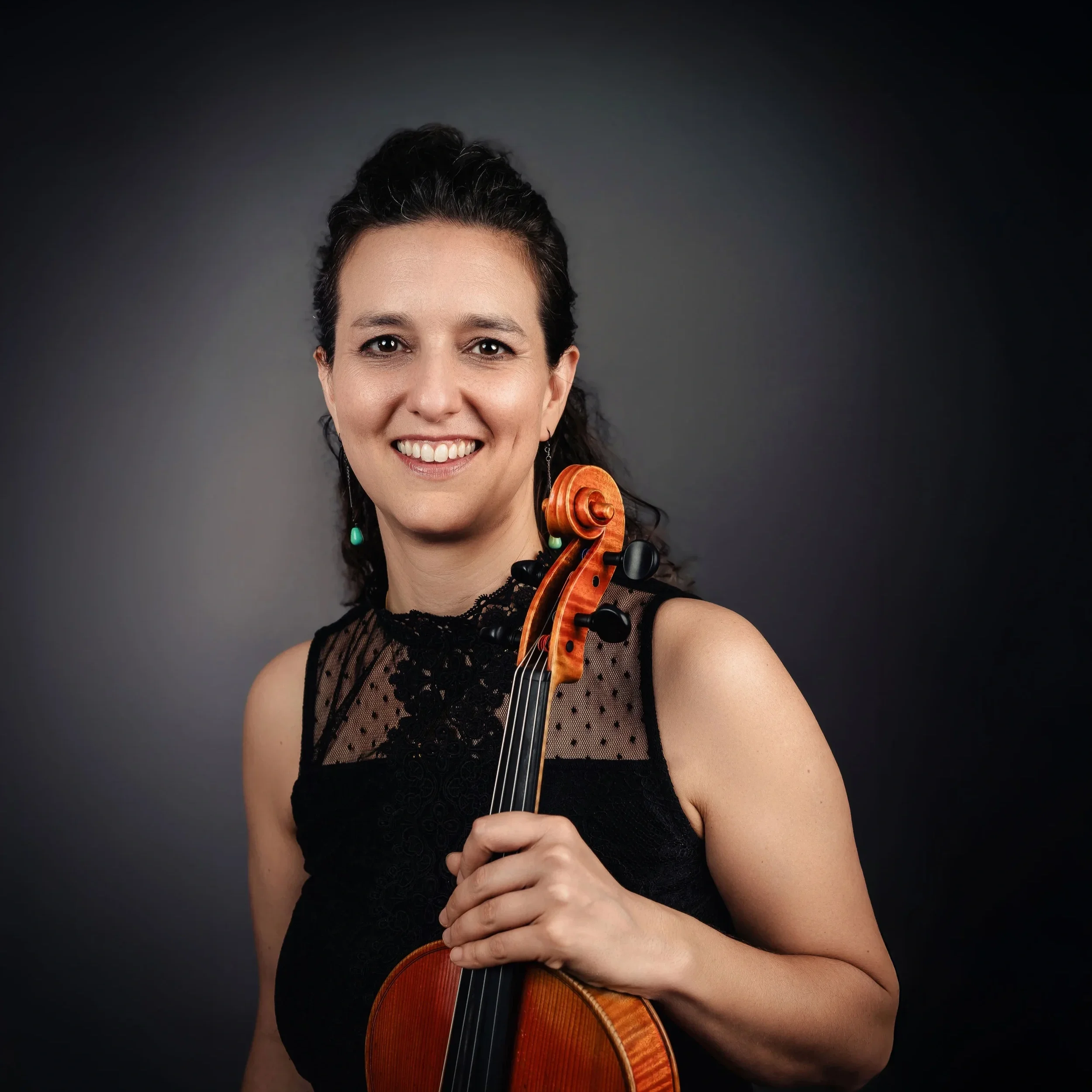
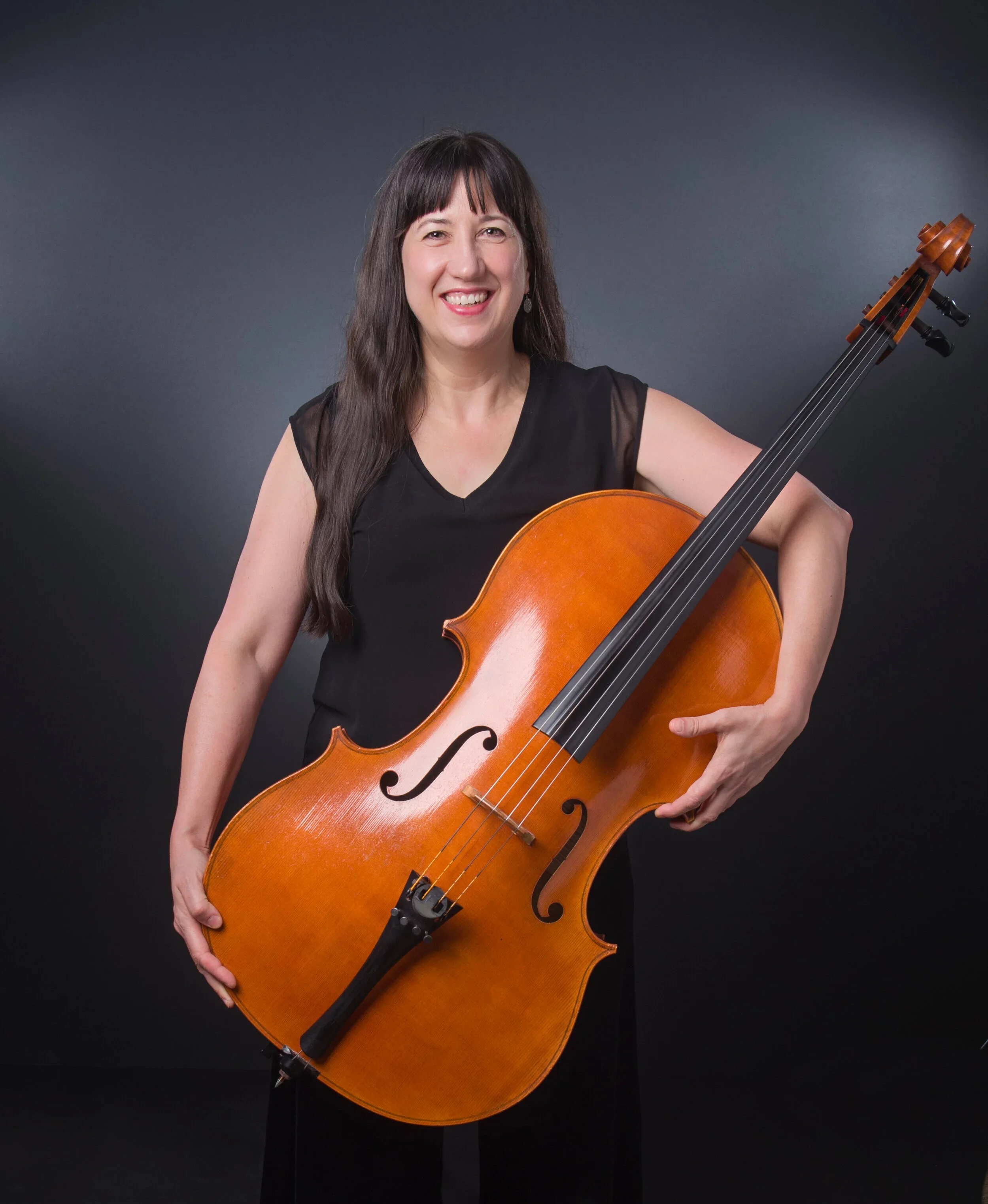
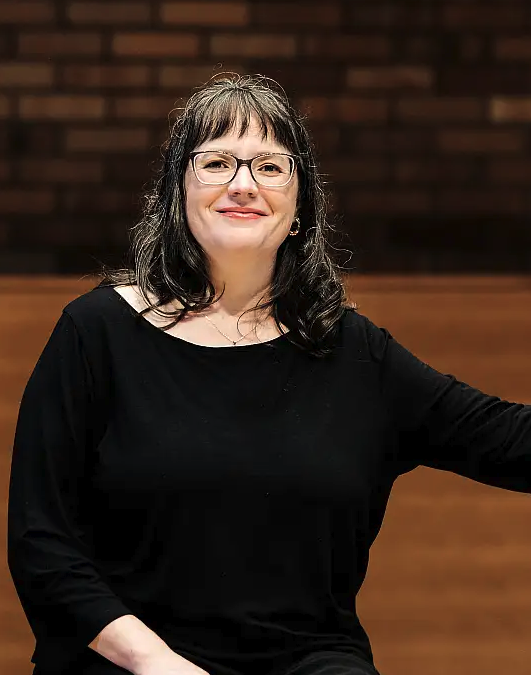
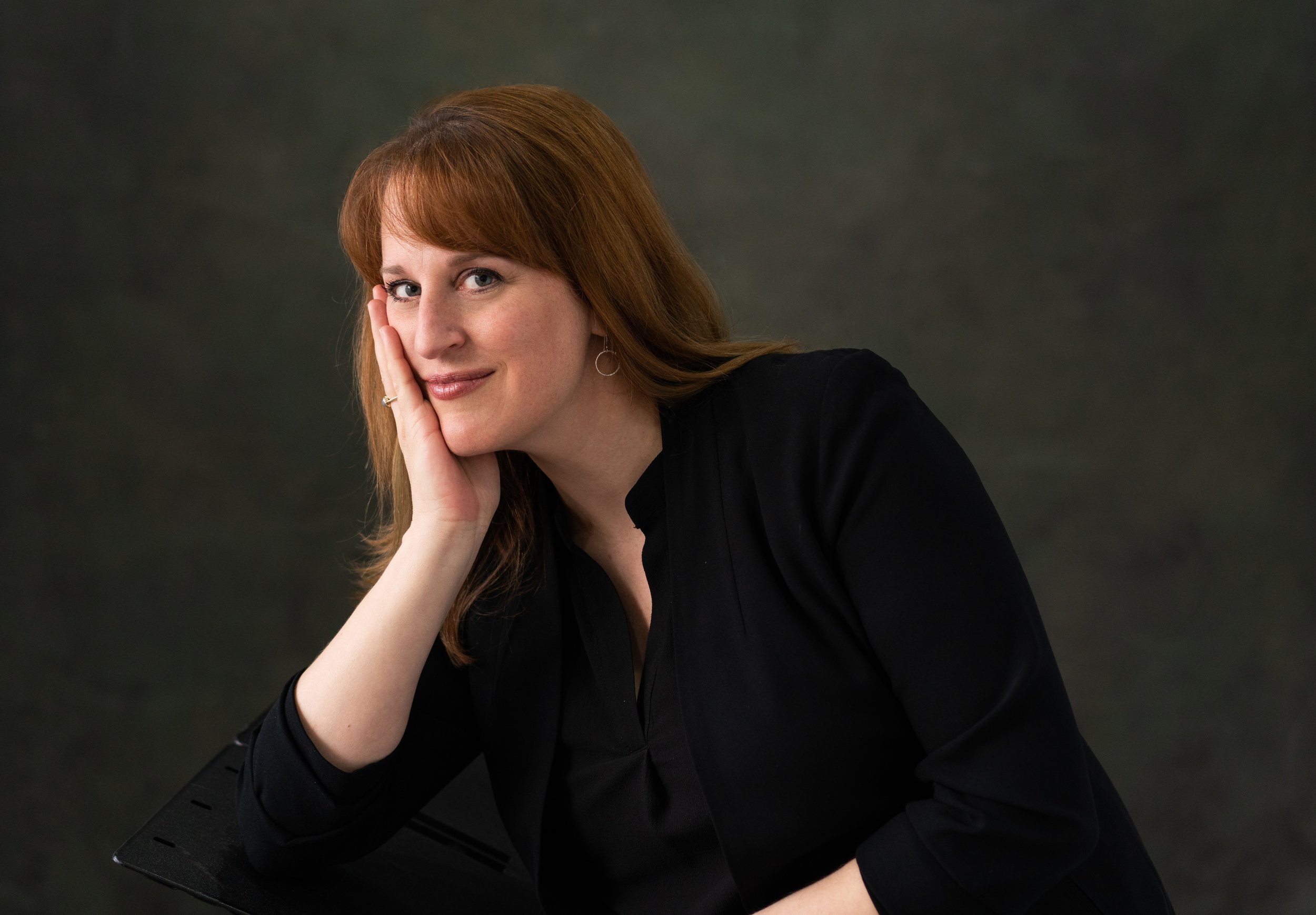

MEET THE ARTISTS
LISTEN
Portland is filled with fantastic music-makers from a huge variety of genres. Take a listen to this specially-curated playlist and discover your new local favorite!
DIVE INTO THE WORLD OF BORA YOON

Selected works represent my larger aims and focus towards amplifying diverse voices in opera, and introducing electronic techniques within an acoustic context – and finding a hybrid aesthetic as a result, that lives between the amplified and processed, and the acoustic and organic. Ultimately, despite being made across such different periods of time, contexts, and forces -- all of these works utilize their musical forces to trace the invisible, the ineffable, and the visceral forces and dynamics, within and around us. May we always be in conversation with our higher selves to discern a good inner compass, and a healthy relationship to Self and Others.
I am grateful and honored to share these diverse works within the Oregon Symphony’s Sounds Like Portland Festival and with Resonance Ensemble, and the opportunity to synthesize and converge my musical paths New York City, Princeton, Chicago, Ithaca, and now Portland, together, in exciting and resonant ways in the new place where I now call Home.
NOTE: Seek and Find can also be heard within the Witch’s Castle Sound Walk, created by Bora Yoon and now available online to download and walk the Lower Macleay Trail to the Stone House in Forest Park. Enjoy the 60-minute immersive, haunted, electronic and choral sound walk, inspired by the 3 stages of the alchemical process - Rubedo, Nigredo, Albedo. Created under the light of the last full moon, using voices, whispers, EMF electromagnetic frequencies and disturbances; waterphone, walkie-talkies, heartbeats, water, modular synth, Tibetan bowls and viola. Commissioned by Third Angle New Music and the World Forestry Center. Download the soundwalk and guide today!
The selected featured works on tonight’s program (2007-2022) span my solo electroacoustic work ( (( PHONATION )) ), my love of choral music, and my love of film and music to create hybrid forms of opera. My solo selections are from a body of work entitled ( (( PHONATION )) ) which means the utterance of sound into language. ( (( PHONATION )) ) utilizes voice, timbres, and instruments from a variety of cultures and centuries, to conjure a kind of storytelling through music, sound, and space – inspired by architecture, and the idea of activating memory, lived histories, and taking both spatial and sonic considerations in mind, when performing, to create a sense of transport, and Place.
My treble choral works and how they are informed by my electroacoustic work, and You can hear this influence in (( ( PHONATION )) ) extended into my treble choral works, with “Semaphore Conductus”, and “Seek and Find” – blending the sonic approach of digital processing through acoustic choral means – with layered lines, murmuring, and spatial audio through the use of antiphonale, call and response, and the use of acoustic means to achieve electronic aesthetics.
READY FOR MORE TOTALLY PORTLAND MUSIC?
Tonight’s performance is part of the Oregon Symphony’s Sounds Like Portland Festival!
Don’t miss your chance to catch other great arts events in our region, celebrating Portland music-makers through November 13.
We think you’ll especially love this event from our friends at 45th Parallel Universe — featuring the Complete String Quartets of Caroline Shaw — done in bar-crawl style!
CONTINUING OUR PARTNERSHIP WITH
PORTLAND PUBLIC SCHOOLS
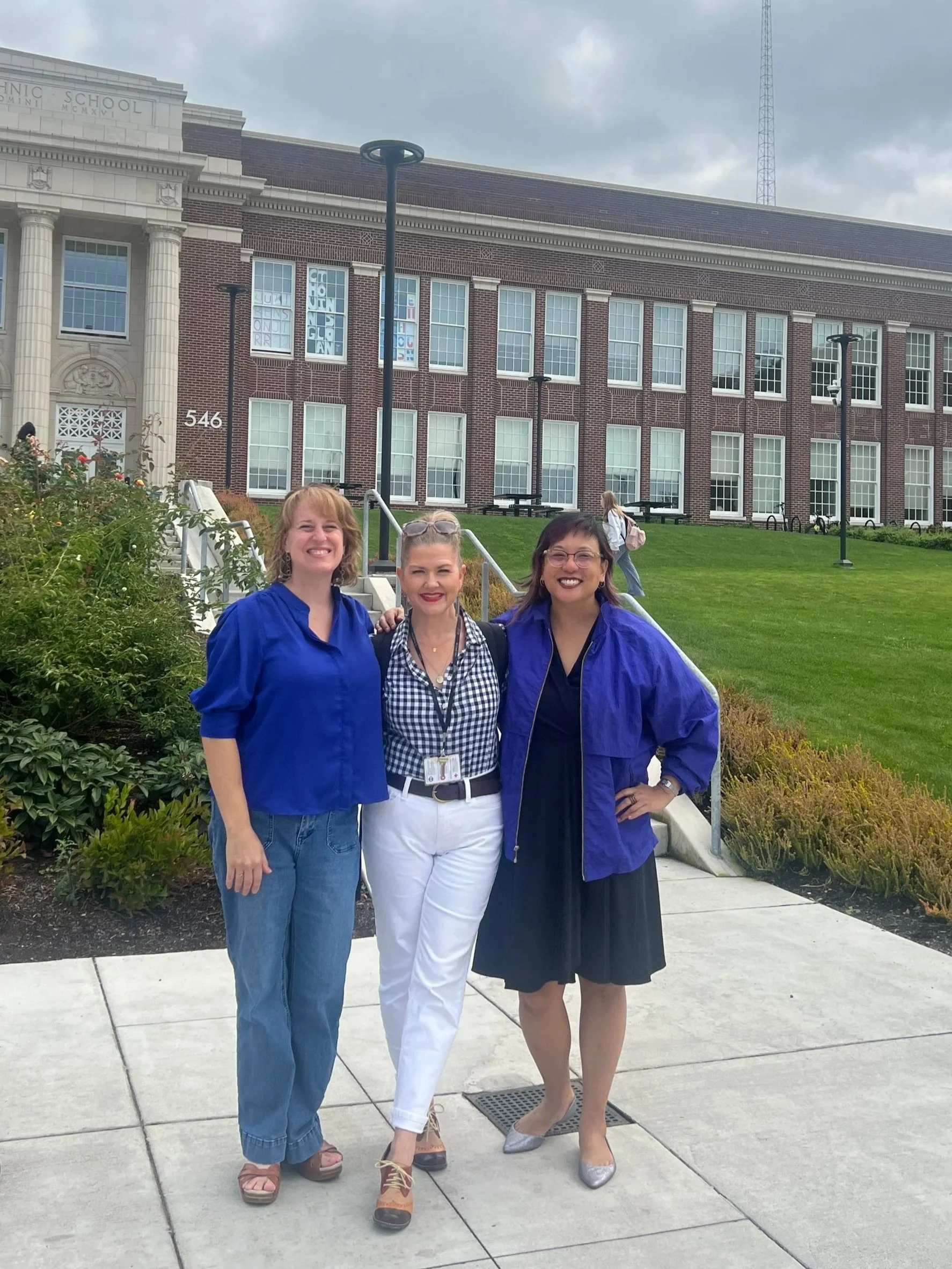
This season marks the fifth year of Resonance Ensemble’s partnership with Portland Public Schools, providing meaningful arts experiences for young audiences. For tonight’s concert, we were proud to collaborate with Fear No Music, whose dedication to supporting student artists aligns beautifully with this work.
Together, we’ve offered free tickets to PPS students and families, partnered with educators on curriculum and engagement, and involved students in producing aspects of the concert alongside professional artists.
Learn more about Visual & Performing Arts (VAPA) at PPS!
SPECIAL THANKS TO:
• Kristen Brayson, Director of Visual & Performing Arts, PPS
• Curtis Wilson Jr., Principal, Benson High School
• The Benson Auditorium Technical Staff (BATS): Heidi Sprecher,
Noah Johnson-Green, and Zahra Faruqui
Are you also passionate about helping young people connect with arts experiences? Get in touch with Resonance and Fear No Music today to find out how your support can help inspire & educate the next generation of young music-makers—and help our organizations continue providing these vital opportunities!
TONIGHT WAS MADE POSSIBLE THANKS TO YOU!
UP NEXT

SWEET HONEY IN THE ROCK
Saturday, January 24 | 7:30pm | @Newmark Theatre
Sunday, January 25 | 3pm | @Reser Center
Resonance welcomes back the iconic a cappella ensemble Sweet Honey in the Rock, known for their singular blend of vocal power, spiritual grounding, and deep-rooted calls for justice. These matriarchs of musical resistance return for two special performances—culminating in the world premiere of a new work commissioned especially for this season, created for Resonance and Sweet Honey to perform together.
The program opens with Resonance Ensemble, followed by a featured set by Sweet Honey in the Rock, and concludes with the debut of this powerful new collaborative piece.
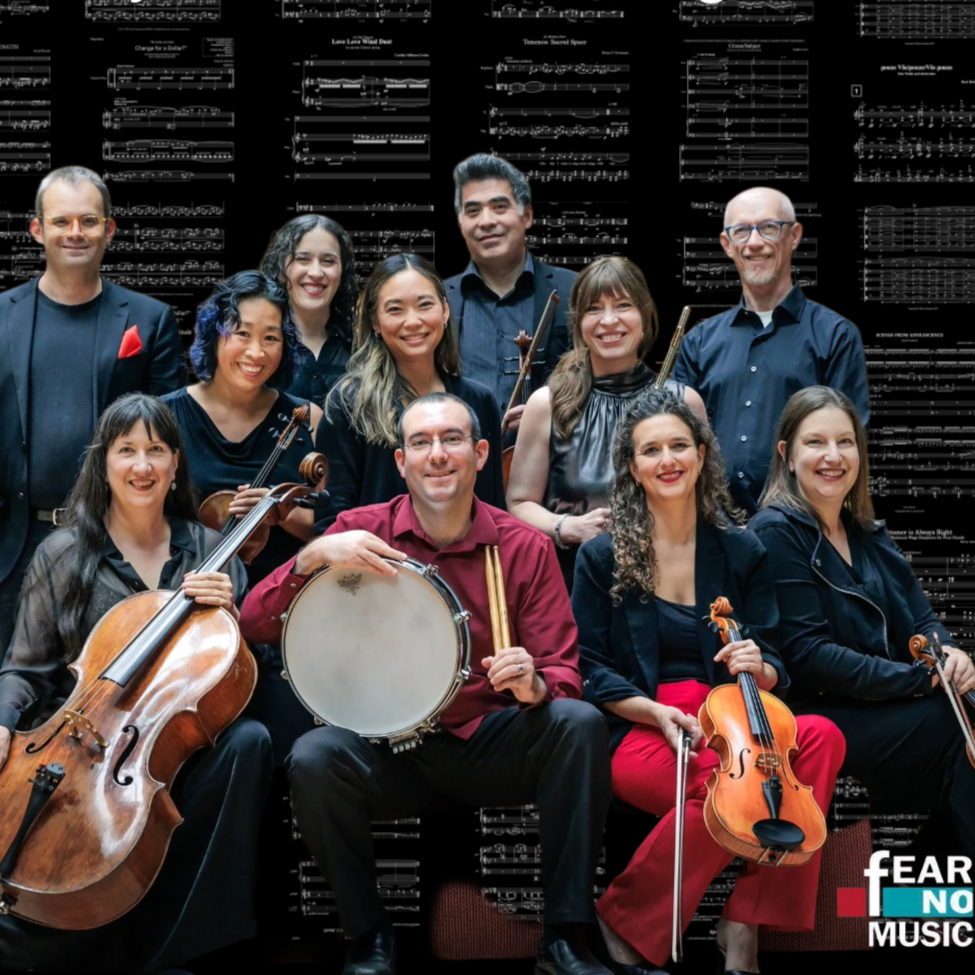
LOOKING INWARD, SPACING OUT
Friday, February 20 | 7:30pm | @Reed College (PAB)
Join Fear No Music this season as we not only look forward to the future, but honor the past, explore the music around us, and even experience the sounds we create together in community.
For Looking Inward, Spacing Out, we join forces with Shohei Kobayashi and the Reed College Musicum Collegium for works by Wendy Mae Chambers, Henry Brant's Mass in Gregorian Chant for 20 flutists, Nancy Ives, Jukka Tiensuu, Pauline Oliveros, and Kurt Nystedt.