
WELCOME TO THE SHOW!
Still need directions for the show or have questions about accessibility?
Click here for complete information on Alberta Rose Theatre!
SCHEDULE
1:15pm - Doors open
2pm - Performance begins
The program is approx. 100 minutes with one 20-minute intermission
4:30pm - Post-Concert Panel
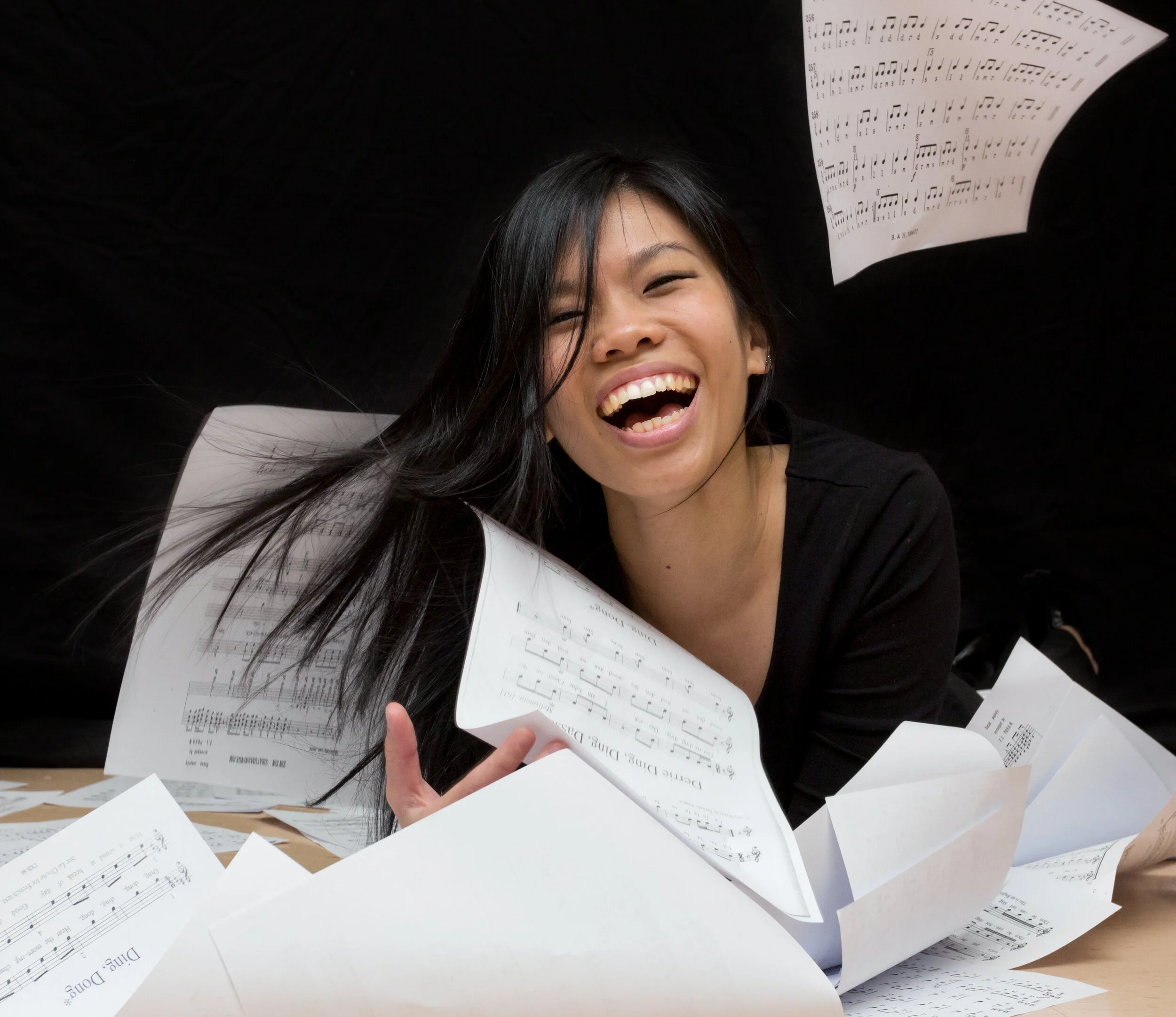
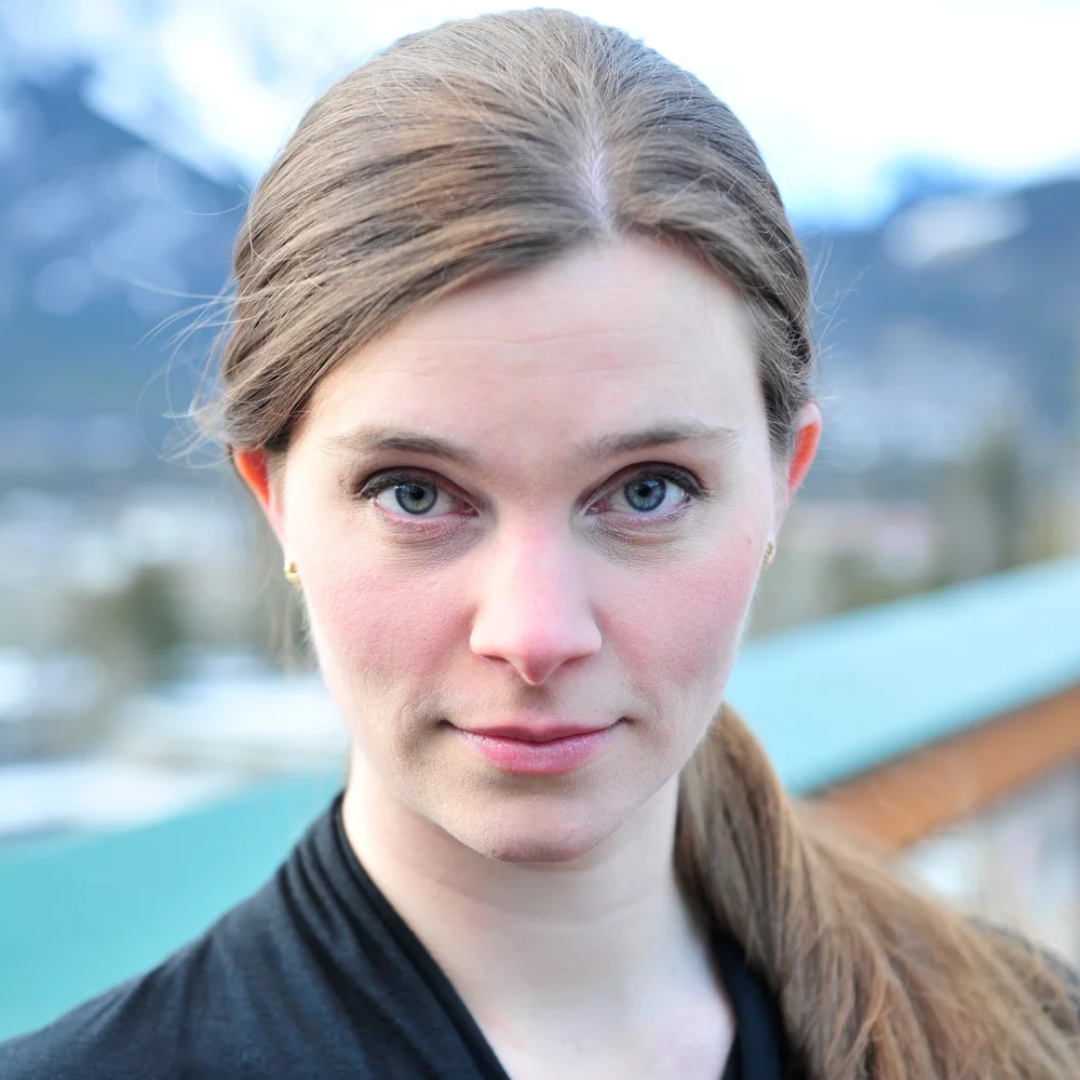
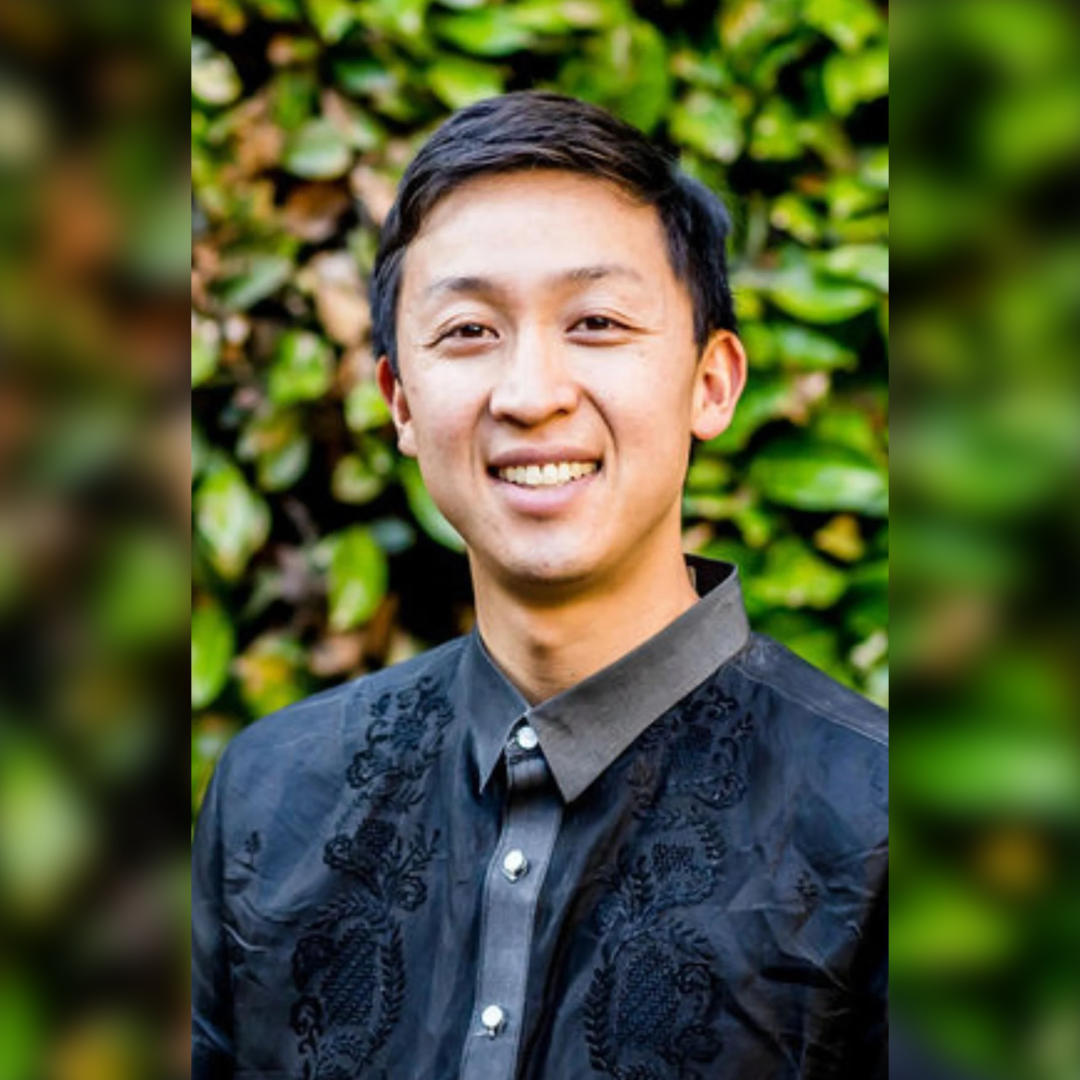
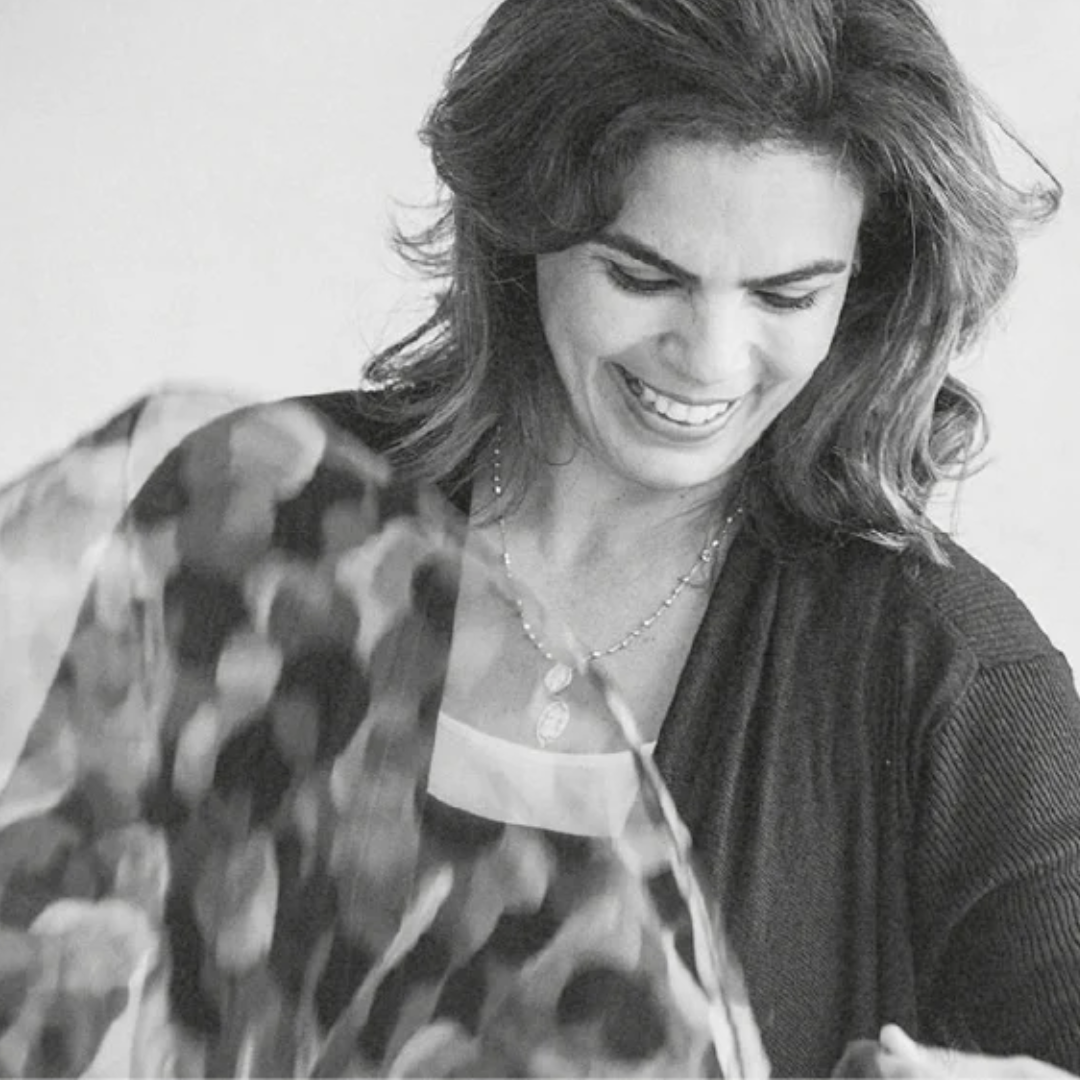
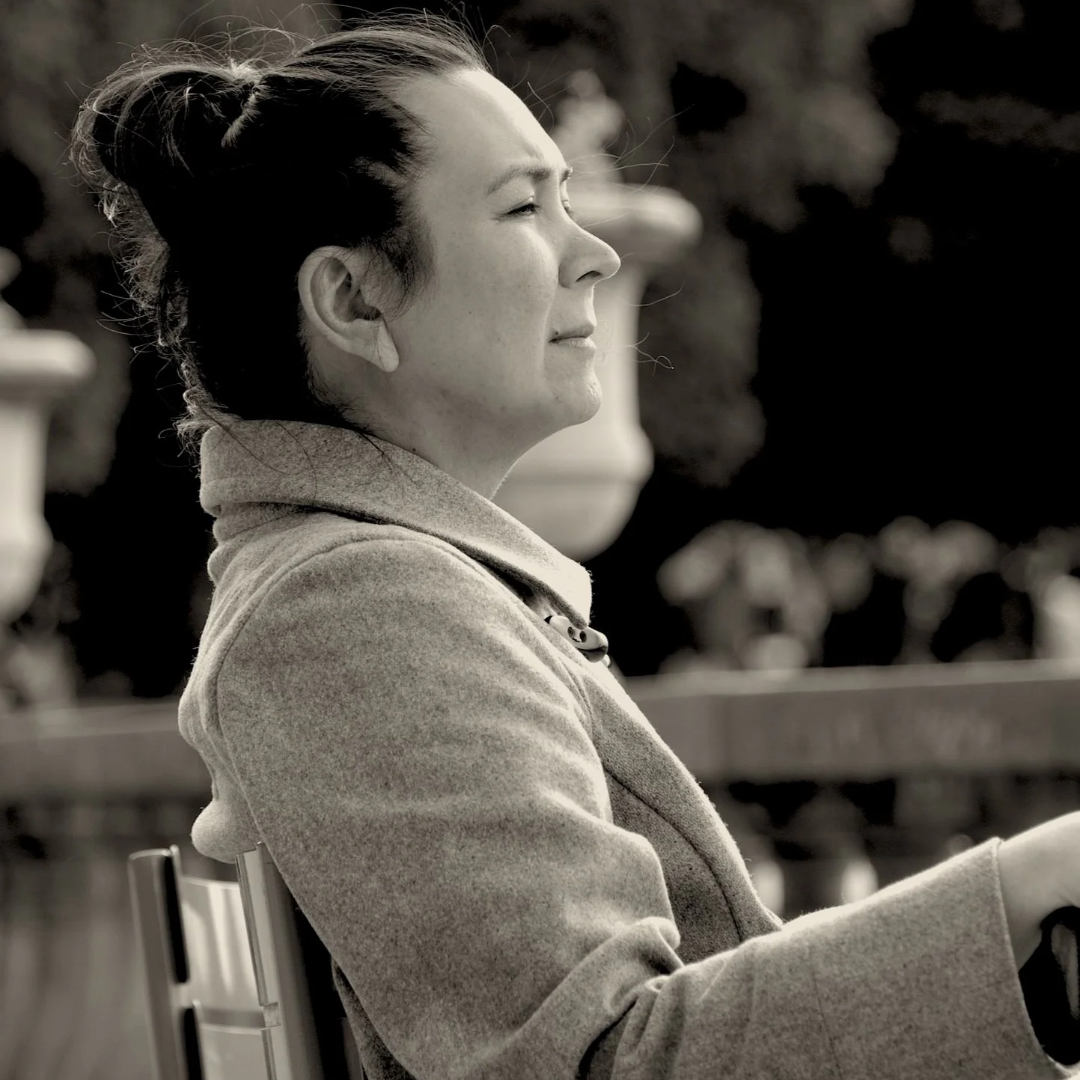
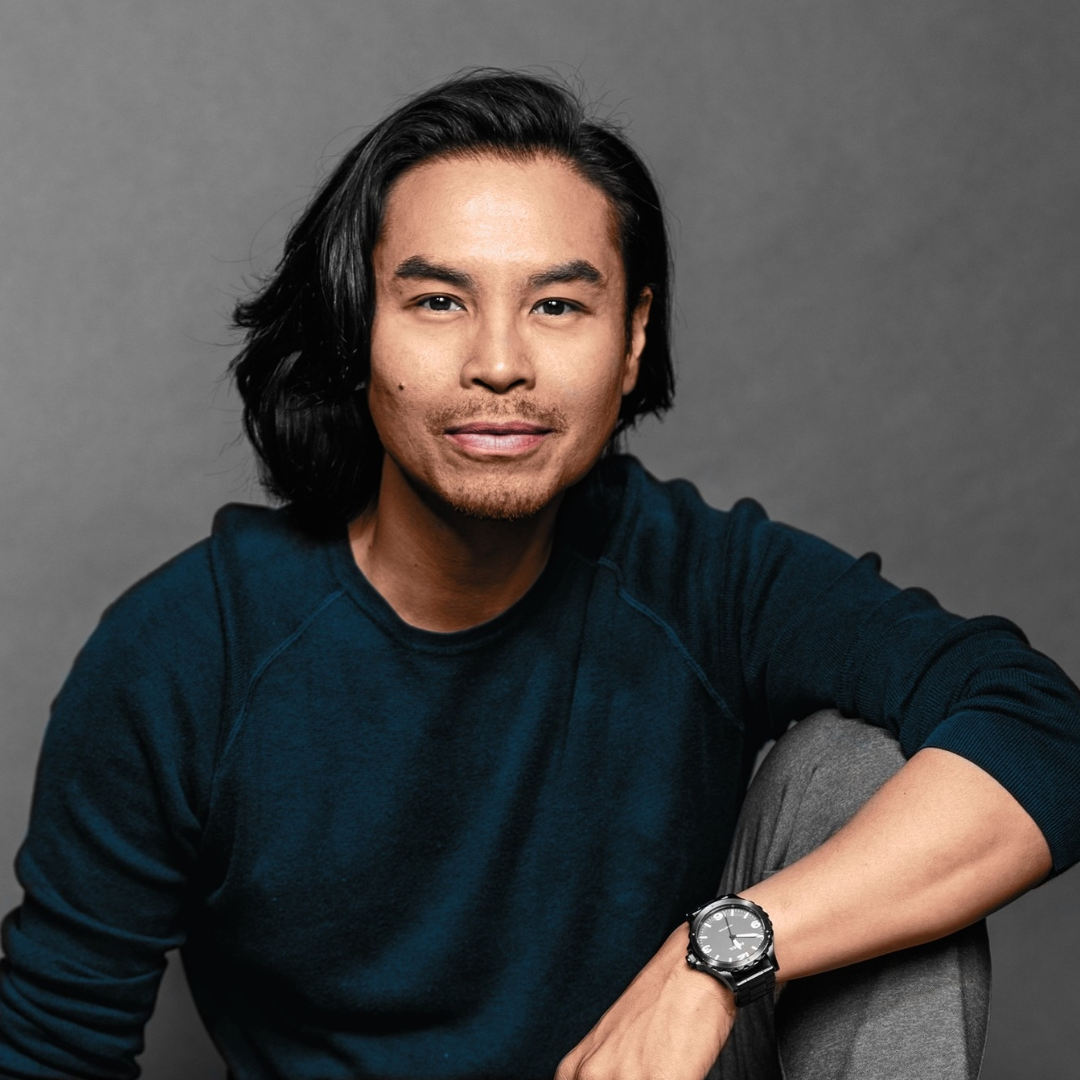
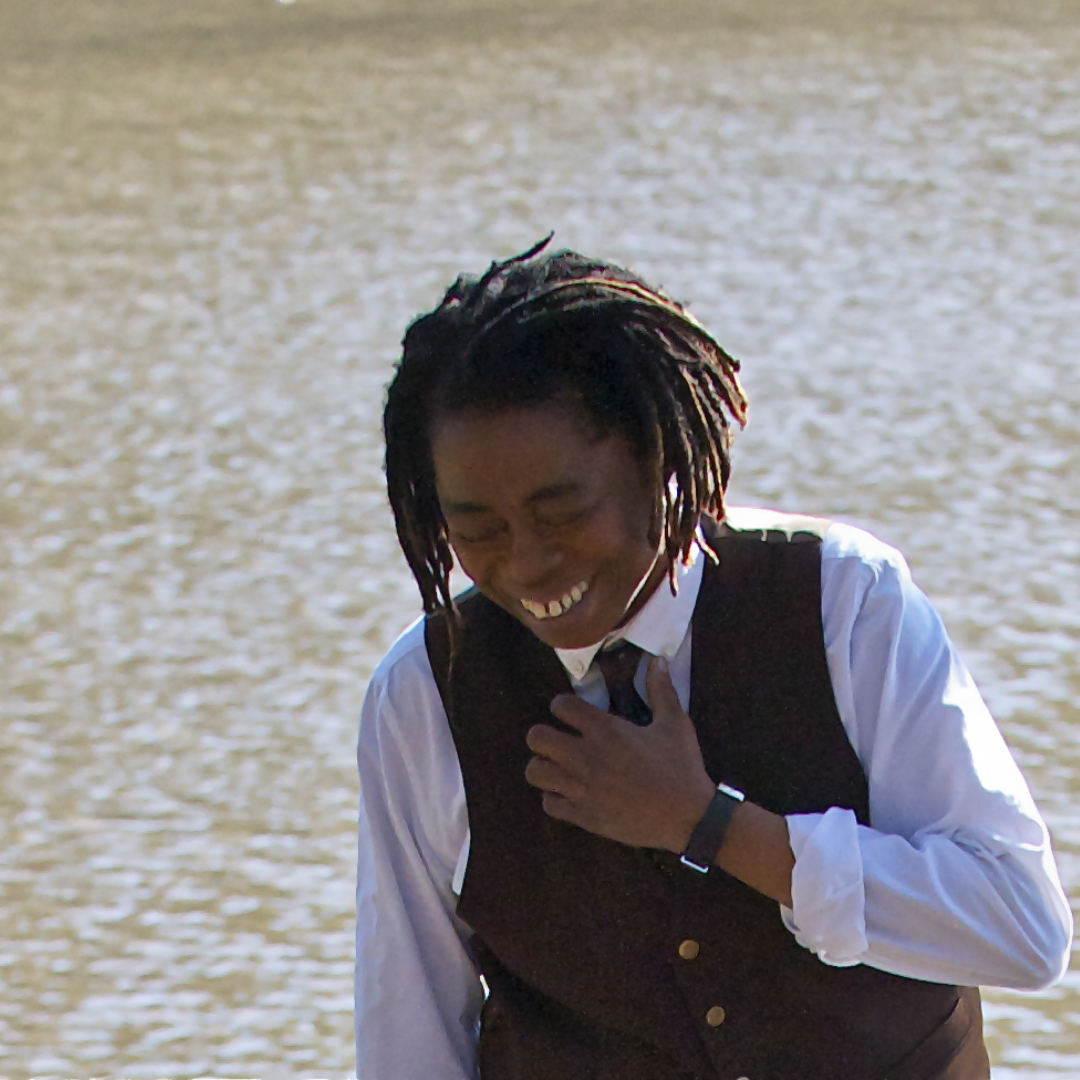
featuring Shohei Kobayashi, Paolo Debuque, Adrianna Tam, and Katherine FitzGibbon
PROGRAM
Click here to peruse the digital version of our program, or continue below to read more about the programmed works.
program subject to change
PART I
curated & conducted by Adrianna Tam
-
From the liner notes of the album:
American media—tv, movies, magazines and newspapers are means to propagandize American values. With it they shape and manipulate what we want, think and believe. For most people of color, it meant growing up hating ourselves and wanting to be something else—the "American dream." It is a deliberate tool of the white ruling class to reenforce their power and our impotence—their rulership and our captivity, for if they capture our minds they don't have to worry about our bodies.
Part of any positive change around us must include change within us. We must reclaim our minds from them, reestablish our own roots and values, in order to build something we value. This is one of the first songs we wrote in the early period of our movement in 1970.
…a song for change
a song of love for ourselves and
our people..... -
From the composer:
“ANTARA (Between)” was commissioned in 2021 by Exultate Chamber Singers (Mark Ramsay, Artistic Director) on the occasion of its 40th anniversary. This piece is a musical expression of being “in between” and the celebration of human resilience. The music reflects this through texts by Malay lyricist Mohamad Fairuz bin Mohamad Tauhid, which suggests that strength, in times of conflict, comes from recognizing on our growth and embracing discomfort. This is explored in various sections through asymmetry (being in limbo), pedal points (stillness), and rhythmic drive (anxious / anticipation / excitement). The loose rondo form allows the theme (“antara”) to return in between sections of these musical thoughts.
-
From the composer:
The poet of the text for “At the heart of our stillness” is Joy Kogawa, a phenomenal Japanese-Canadian writer. When she was six years old during World War II, her family was sent to an internment camp, an experience which she has written vividly about throughout her career. Her poem, Stations of Angels, provides the text for this piece. I was drawn to the imagery of darkness and light, of simultaneous inside and out, and the powerful recollection of a faraway mother singing. About the poem, Joy says:
“The universe of flame contains both the devouring and unholy fires of the holocaust and the holy and healing light that guides us. Within these flames are the stations of angels – to bring us solace and their presence as they yearn for us in our suffering, and to attend us as we watch for them and wait. Our angels assist us in our own longings, unnamed until we name them as rage and vengeance, or forgiveness and compassion, or combinations of either. We are to plunge, to leap into the darkness that we fear, trusting in a light that cannot be blown out. In that stillness, do we not hear the echoes of love singing?”
-
From Magnetic Magazine, Will Vance:
Laufey has said that Snow White is about “the never ending chase for perfection that comes with being a woman.” She recorded it for her new album A Matter of Time, which [came] out August 22, [2025] and was produced with Spencer Stewart and Aaron Dessner.
She’s been playing it on tour this year [2025], including sold-out shows at the Hollywood Bowl and Madison Square Garden, and it’s already one of those songs that listeners stop and talk about because of how directly it speaks to body image and self-worth. Laufey explained in interviews that this one came from a moment when she felt like her looks and her body mattered more than her brain, and that is not something she tried to soften in the lyrics. In fact, she said she didn’t want to end it with a “but you’re beautiful and you’ll be OK” ribbon, because that wouldn’t have been honest.
Read the full reflection here. -
From the composer:
Commissioned by Pride Houston, a vibrant LGBTQ chorus, "Make Ready Your Beauty" is an exuberant expression of loving the world with rigor, confidence and with awe.
PART II
curated & conducted by Shohei Kobayashi
-
From the composer:
Originally written in. acollection of nursery rhymes, Christina Rossetti’s “Who has seen the wind?” is a simple but profound expression of spiritual acceptance. This setting explores the mystical nature of opening ourselves to the presence of forces beyond us. The central motif—a rising series of notes in the Carnatic raga Charukesi (here, with the tonic of F#: C#, D, E, F#, G#, A#, B, C#)—came to me in a dream, and its role. inthe piece as a fragment that lingers before finally revealing itself mirrors the speaker’s path of recognizing, and embracing, the divine in our world.
-
From the liner notes of the album:
The tactic of dividing the people in order to conquer them is a tactic which capitalism has used in this country very effectively. It has not only kept different races apart, it has kept sexes, religions, ages, occupations, just about everything divided. People have been taught we must compete against one another, and that we threaten each others interests. It has even affected us personally in feelings of alienation from each other and ourselves, so that we are isolated and alone.
We are not alone—our interests are the same as all people fighting against the common oppressor. Our struggle for unity is a critical struggle, and it is vital for victory.
-
From Seattle Choral Company:
Tule Lake Sketches consists of five settings of haiku from the Tule Lake Segregation Center, one of the Japanese-American internment camps from World War II, exploring the way those incarcerated found strength in the natural world. Premiered by the San Francisco Choral Artists.
Learn more about this composition in this short video interview with the composer.
-
From the composer:
I chose to set Emma Lazarus' poem, The New Colossus, because it makes sacrosanct the principle that the United States of America has been and will always be a nation of immigrants, regardless of xenophobic political ideologies. The notion of condemning immigration is against the concept of liberty and the land of the free. In this setting, I chose to only set the last few lines, arguably the more famous part of the poem. The post-minimalistic approach of relentless pulse and repetition is interspersed with a warm, lush section of hope and welcome.
-
From the composer:
The piece’s lyrics are selected from a poem in the poetry book Al Jidariyah (The Mural) by Mahmoud Darwish. Like numerous works by the author, it holds a lot of embellishing figures of speech, used in the symbolizing of deep themes about humans and life aspects. What makes this poem special is the beautifully woven blend of somberness and hope, embodied in the comparisons taking a significant part of the whole text.
Therefore, this piece is very nostalgic. It prompts every individual to take a moment to look inwards to their dreams, their “home” - with all the meanings that this word can carry -, their philosophies... It gives rise to questions that are very prominent nowadays with everything happening around the world: how do I find myself when I am away from what I call “home”? How do I find my way to myself again after experiencing different realities of life? Who am I now? What do I become while away?
The hope is that this piece brings everyone who performs or listens to it to ask these questions, whether about themselves, or others. The world is currently witnessing a huge movement of displacement, and the least that one can do is to observe, think and have empathy towards everyone who has lost the way to themselves.
I have always been inspired by Arabic poetry. Mahmoud Darwish’s eloquence and spirituality is moving. This very short section evokes the theme of the possibilities. It speaks about self discovery... about finding one’s path. At a time when hope is so minimal, and so much diaspora and refugees are struggling to make ends meet, holding on to dreams opens the door to potentiality, to ideas... To hope is not easy, but hope within broken spirits can be empowering. I pray that this piece will remind us, will open our eyes and maybe even dare to question how we are in the world and what is our moral role to every dying voice.
PART III
curated & conducted by Paolo Debuque
-
From the liner notes of the album:
The struggle is protracted, and we can never lose sight of our goals in the process.
Mao Tsetung quotes an old Chinese fable: "An old man lived in northern China long, long ago. He was known as the Foolish Old Man of North Mountain. His house faced south, and beyond his doorway stood the two great peaks, Taihang and Wangwu, obstructing the way. With great determination, he led his sons in digging up these mountains, hoe in hand. Another greybeard, known as the Wise Old Man, saw them and said derisively, 'How silly of you to do this. It is quite impossible for you few to dig up these two huge mountains.' The Foolish Old Man replied, 'When I die, my sons will carry on; when they die, there will be my grandsons, and then their sons and grandsons, and so on into infinity. High as they are, the mountains cannot grow any higher, and with every bit we dig, they will be that much lower. Why can't we clear them away?' Having refuted the Wise Old Man's wrong view, he went on digging every day, unshaken in his conviction. God was moved by this, and he sent down two angels, who carried the mountains away on their backs.
“Today, two big mountains lie like a dead weight on the Chinese people. One is imperialism, the other is feudalism. The Chinese Communist Party has long made up its mind to dig them up. We must persevere and work unceasingly, and we, too, will touch God's heart. Our God is none other than the masses of the Chinese people. If they stand up and dig together with us, why can't these two mountains be cleared away?"
-
From the commissioner, conductor Raoul Carlo F. Angangco:
As a musician navigating the Philippine choral scene since my elementary school days, I’ve developed a profound curiosity for the concept of Filipino identity through the groups I have worked/sung with, and, more so, the audiences and communities I have come to know through choral singing: “Of what do Filipino choristers sing about? What do choral audiences seek to hear, and experience, and learn by listening? Who do we aim to serve, and how can this communal act of music-making be of service?” …
Through this project, I have sought to gain more nuanced insights on the concept of Filipino identity through the compositional voices of four of the most prominent US-based Filipino composers today: Robin Estrada, Nilo Alcala, GP Eleria, and Saunder Choi. Having grown up and studied in the Philippines before pursuing higher education and finally planting themselves in the US, these four are among the most sought-after and commissioned names belonging to the current generation of Filipino composers, with both Philippine and international ensembles performing their works around the world. Personally, their music served as a highly influential force in my upbringing as a chorister and conductor in the Philippines.
The composers were commissioned to write choral works that explore the Filipino national identity/cultural experience in the context of the past (where we came from), present (where we are as a nation and as a people today, in any part of the world), and future (where we see it going or what we might hope for the country in the near or distant future). While each of these composers naturally possess their individual, unique compositional styles, they were all encouraged to freely use, explore, and realize in their works any Filipino traditions, aesthetics, languages, literature, faith, socio-political commentary, and any other cultural phenomenon either pre-colonial or inherited.
Read more about this project here.
-
From the composer:
Constancio de Guzman’s Bayan Ko (My Homeland) remains one of the most cherished patriotic songs in the Filipino consciousness. Its text is rich in imagery and evokes a wide spectrum of emotion - from the anguish of opression to the hope born of steadfast resolve. Bayan Ko 2.0 is my personal attempt to translate these sentiments into sound through word painting and the use of contemporary textures and harmonies. I invite the listener to join me on this intimate aural journey from despair to hope.
-
There is more love | African American hymn
Hold On | Heidi Ann Wilson
We get there together | Joshua H. Blaine
-
From an interview with Chorus America:
… I use my voice as a weapon of mass connection…I'd always been doing community sings and gatherings, and people ask me, “What do I have to do in order to be able to sing with you?” And I say, “Are ya breathin'? Good. That's the only qualification.” And we need that so much. In my talk, I'll be talking a lot about why we need to share each other's music and how important that really, really is, because of what's happening, because of this huge movement in choral music that we should only sing music in our own culture. Wrong. Poison.
We need to talk about this and to understand where this is actually coming from. So I'm talking about how we can do that and how we can connect to each other in that way. It is a major part of my work right now because I'm working with choirs all over the country in all different circumstances, and people are freaking out. It's one of those things where you think it's coming from one place, but really, it's fed by the opposite. It's like when people say,” I don't see color.” And I'm saying, “I know what you think you're saying, but what you're saying is that you don't see me. You think that you're actually in solidarity with me by saying you don't see color, but really, you're saying the opposite.” We have a lot of things like that in our in our culture where people think they're doing one thing, but really, the result of it has the opposite reaction.
The main crux is, you have to sing the songs from the point of view of not being White, or Black, or Latino, or whatever, but from being a human being. And how do you connect in those songs? With spirituals, you cannot sing about my ancestors' journey. But you can sing about your ancestors' journey. Unless you are a First Nations or Native American person, you are a descendant of immigrants, which means that your grandma and your great, or your great-great- great, made a really difficult journey in order for us to be able to sit here. So when you sing spirituals or whatever it is, what was the journey of your ancestors? You can sing about that because you're a human being. And these songs come from the desire to be seen as a real person. That's what the songs are about.
Read the full interview here.
-
From the liner notes of the album:
This is another of the first songs we wrote. It only touched on our people's plight and experiences in this country. We've heard that sisters and brothers in Hawaii and other places have added verses to it. We say right on—it is your song.

We'd Love to Hear from You!
Please take a few minutes to fill out our audience survey - your responses help us better understand your experience at Resonance events, as well as allowing us to better communicate how our work helps our community to potential donors, funders, sponsors, and granting organizations.
Thank you for your time in providing this valuable feedback!
MEET THE ARTISTS
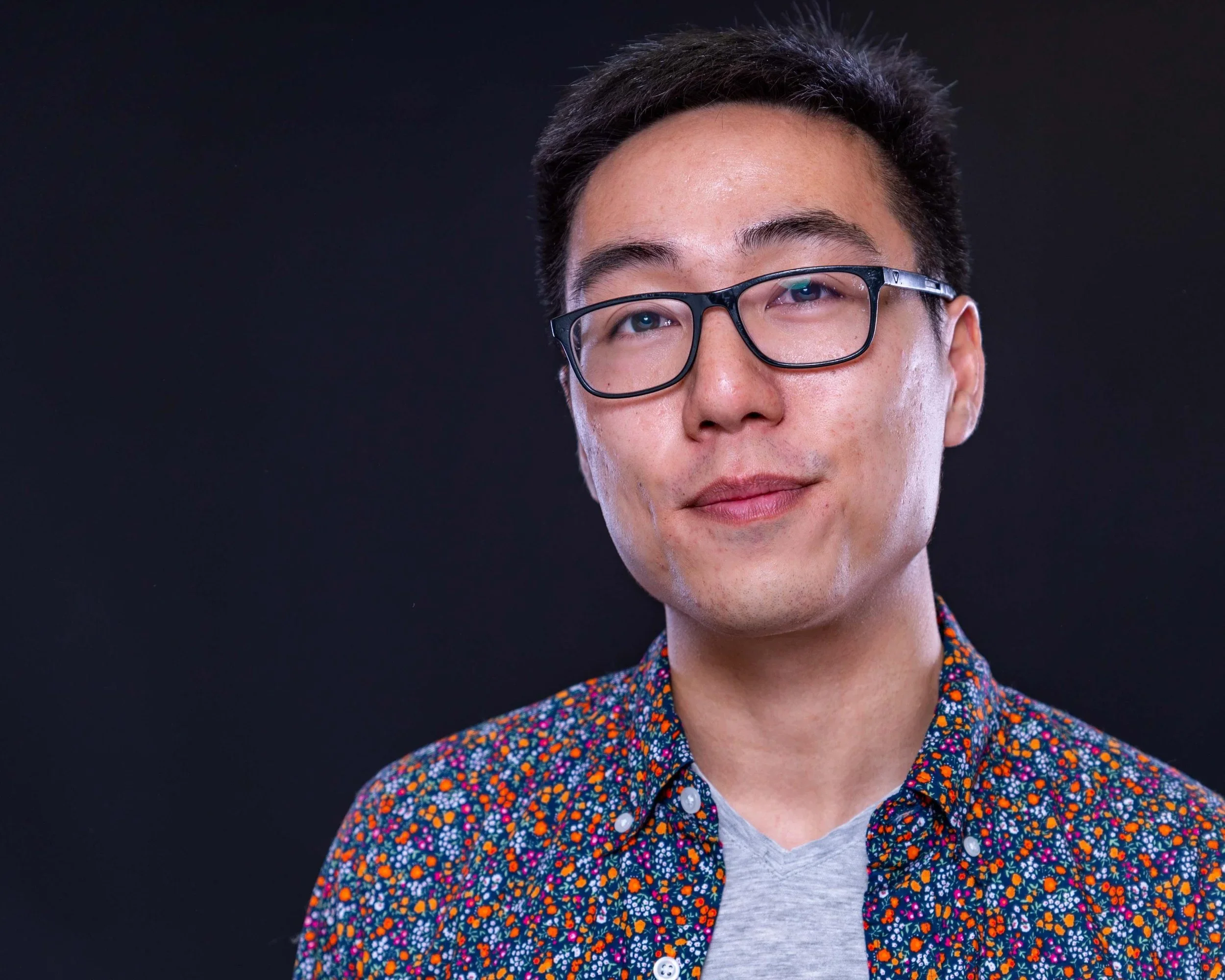
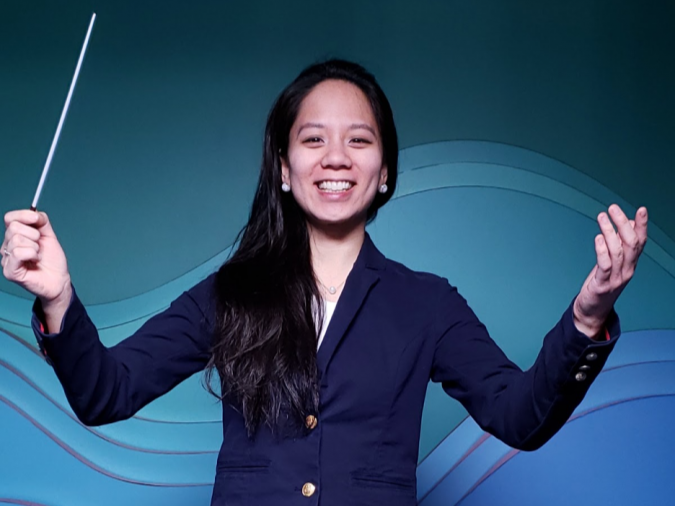
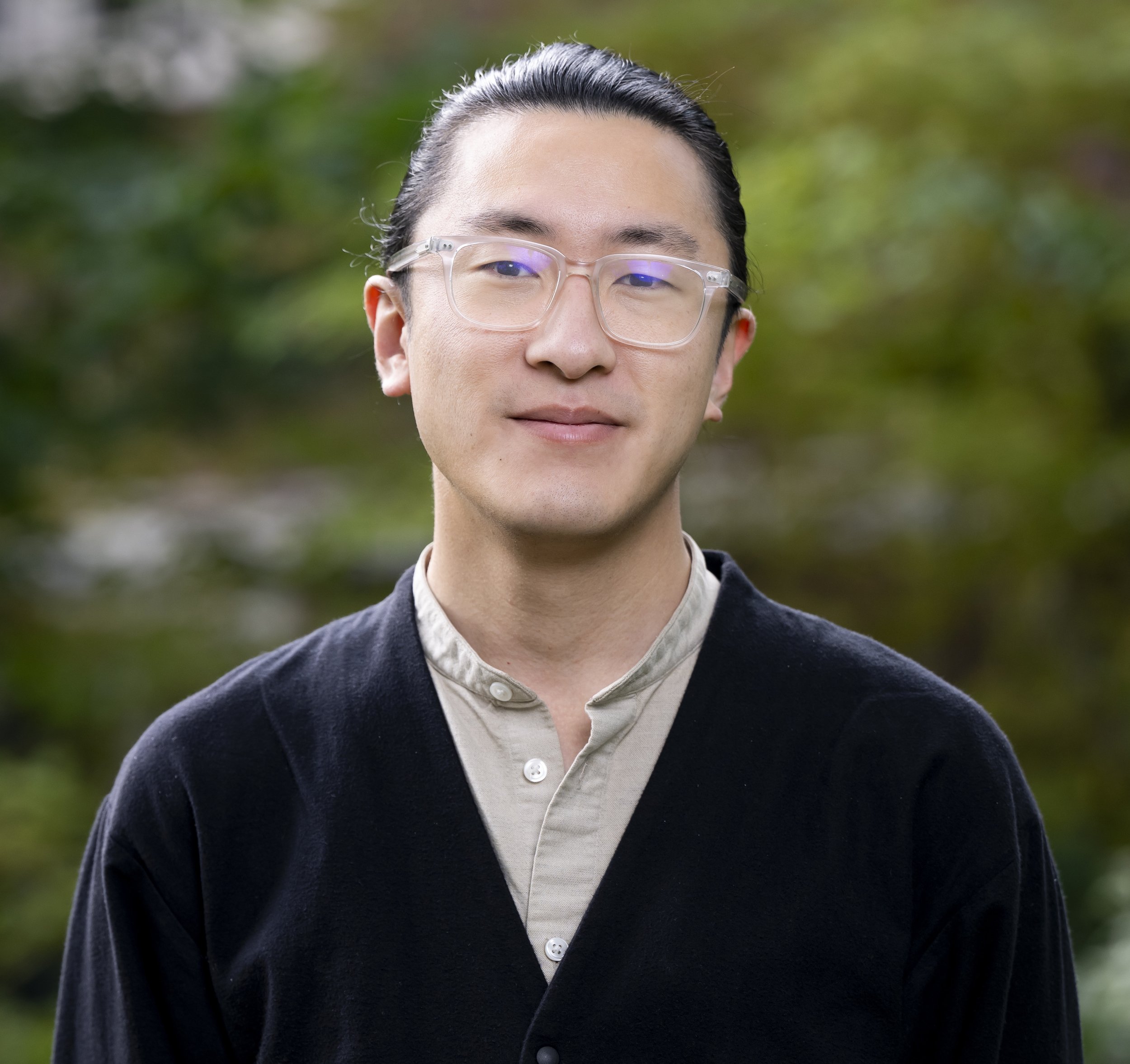
To learn more about the performing artists at today’s concert, read their bios on the program.



LISTEN & LEARN
Hear the original album that inspired today’s program, and follow along with the liner notes for deeper context on these landmark tracks.
EXPLORE THE WORLD OF A GRAIN OF SAND
ABOUT THE ALBUM
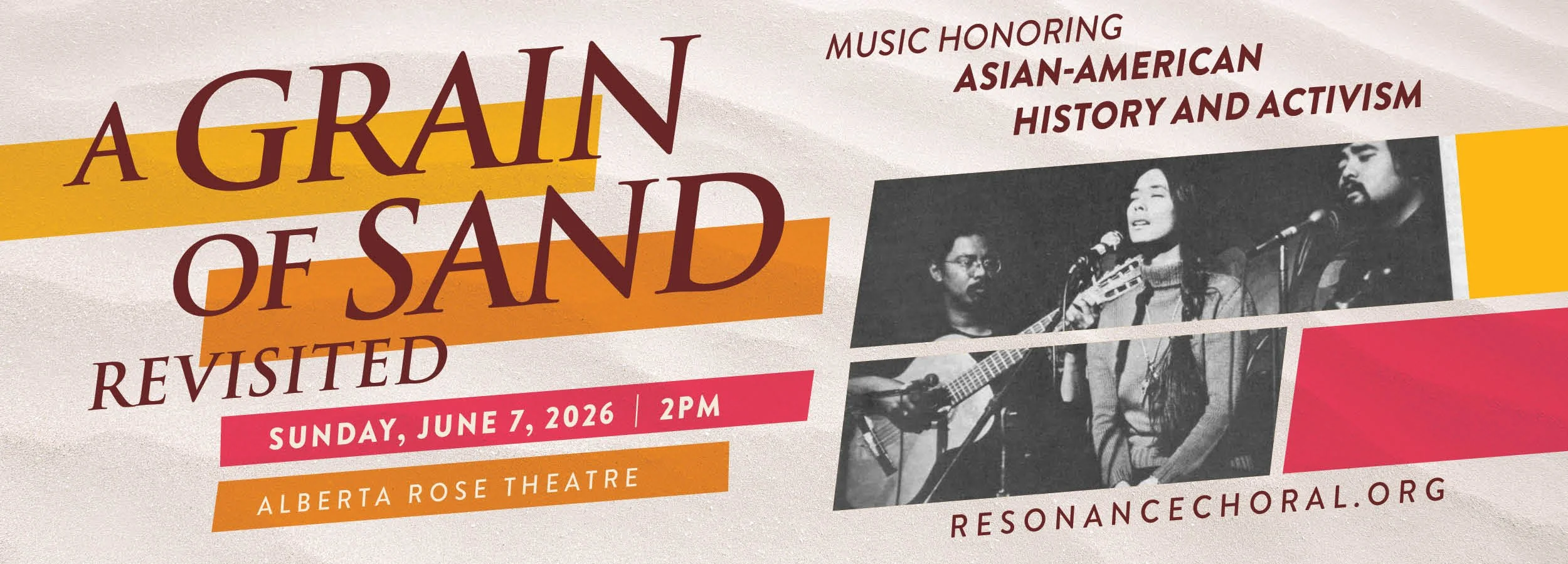
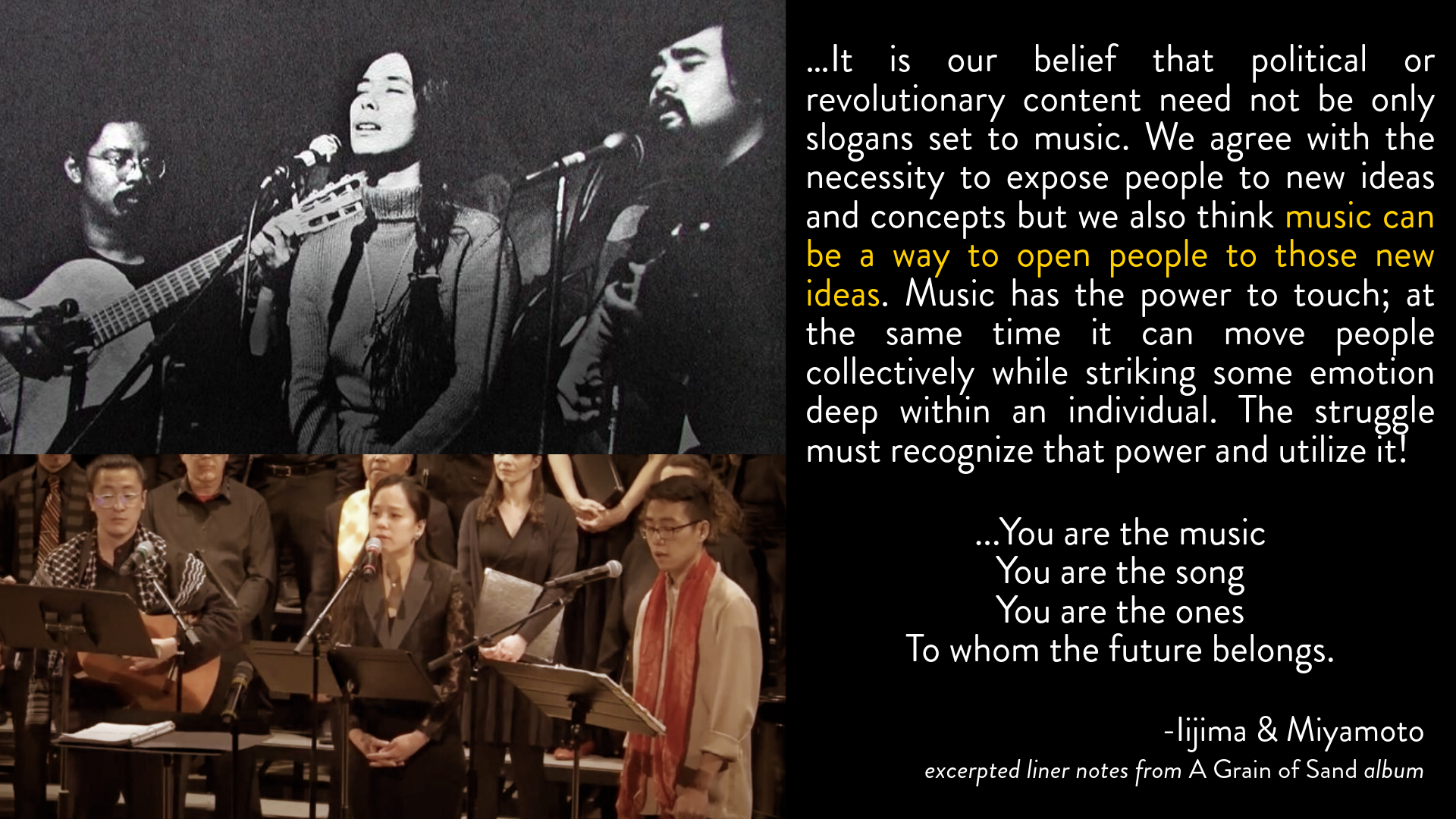
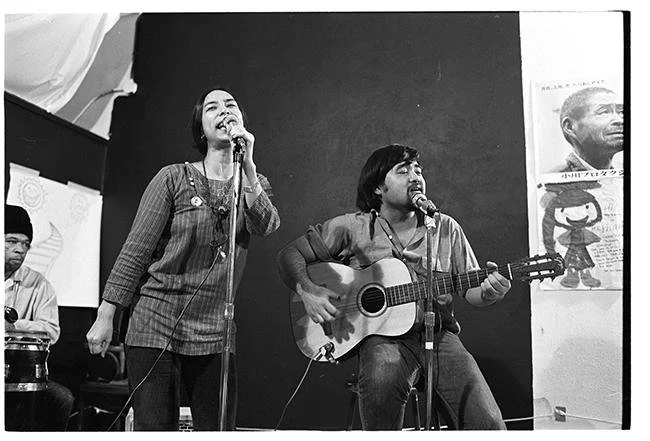
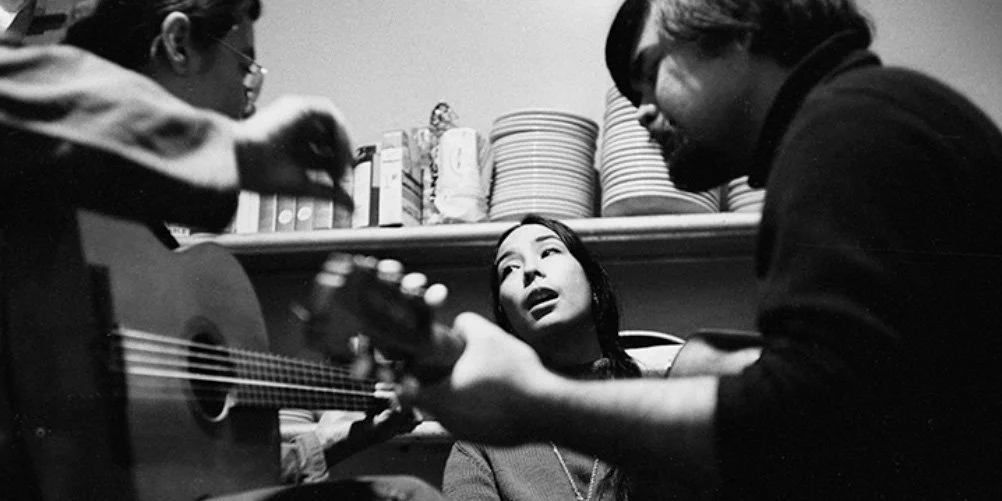
Widely recognized as the first album of Asian American music, A Grain of Sand is a collaboration between artists Chris Kando Iijima, Joanne Nobuko Miyamoto, and William “Charlie” Chin — along with important influences stemming from their solidarity with African American and Latin American social movements.
The album was largely compiled over a two-day session, most tracks being just the first or second takes, giving each song a raw, spontaneous feel of a live performance while still displaying the deep artistry and nuance of each artist. The music, intended for touring on the road, was kept minimal - largely just two guitars and three voices; however, for the album, additional additions of congas, bass, the Chinese flute di zi and other instruments also appear.
Each work on the album reflects both personal experiences as well as direct calls to action. Fay Chiang, the director of Basement Workshop who undertook the publishing & illustration of this music, recalled “We were influenced by what was happening in the Black and Puerto Rican communities. Why not us? Who are we? It was very basic: Who are we? There was a hunger, a need to figure that out, where we felt like it was a matter life and death. The second and third generation Japanese Americans had come from the camps—and this feeling of not belonging in the society, racism, and displacement was visceral.”
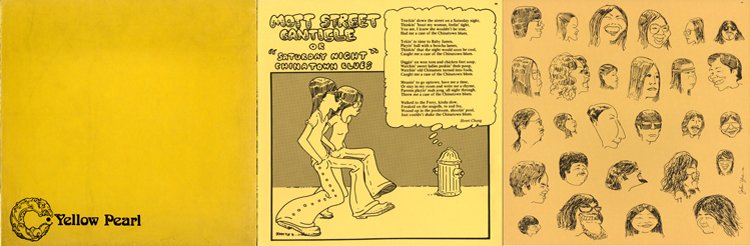
TAKEN FROM MUSEUM OF CHINESE IN AMERICA ENTRY: In 1972, Basement Workshop published the arts book Yellow Pearl. Initially a project undertaken to illustrate and publish the music of Chris Iijima, Nobuko “Joanne” Miyamoto, and Charlie Chin (before A Grain of Sand), the project grew into a larger portfolio of writing, art, and music by over thirty creators. Titled after one of the group’s songs, Yellow Pearl connotes the value of Asian and Asian American culture and cleverly plays off the term “yellow peril,” the racist slogan used in the 19th and 20th centuries to provoke fear and exclusion of Asians from the U.S. Its creators introduce the portfolio in the following statement: “YELLOW PEARL is a collection of the creative talents of young Asian Americans. It is also an expression of an emerging consciousness of being Asian in America. We need to write about the War, Attica and our people’s history. We need to express our loves, our loneliness and our dreams, through YELLOW PEARL we share what we feel, what we think, and what we are with our brothers and sisters.”
By the time of the album’s release in 1973, the artists were already directing their energies independently of one another - Nobuko returned to California where she would later found Great Leap, Inc. (a multicultural community performing arts collaborative); Charlie became active in New York City’s Chinatown History Project, which would later grow into the Museum of Chinese in the Americas; Chris eventually became a law professor in Hawai’i, where he fought for the rights of Native Hawaiians and mentored countless law students focused on social justice.
Their album continued to resonate, however. Filmmaker Tadashi Nakamura, who created a short documentary centering on Chris Iijima, reflects “A Grain of Sand paved the way for many progressive Asian Americans and Pacific Islanders to not only become musicians but cultural workers—artists who use their creativity to further a political movement. I feel very much a part of a present-day movement of API artists that are trying to document, articulate, and tell the stories of their people through their work. A talented new set of artists….are continuing the work that Chris, Nobuko, and Charlie started back in the 1960s…the legacy of A Grain of Sand is very much alive today.”
ABOUT THE ARTISTS
NOBUKO MIYAMOTO
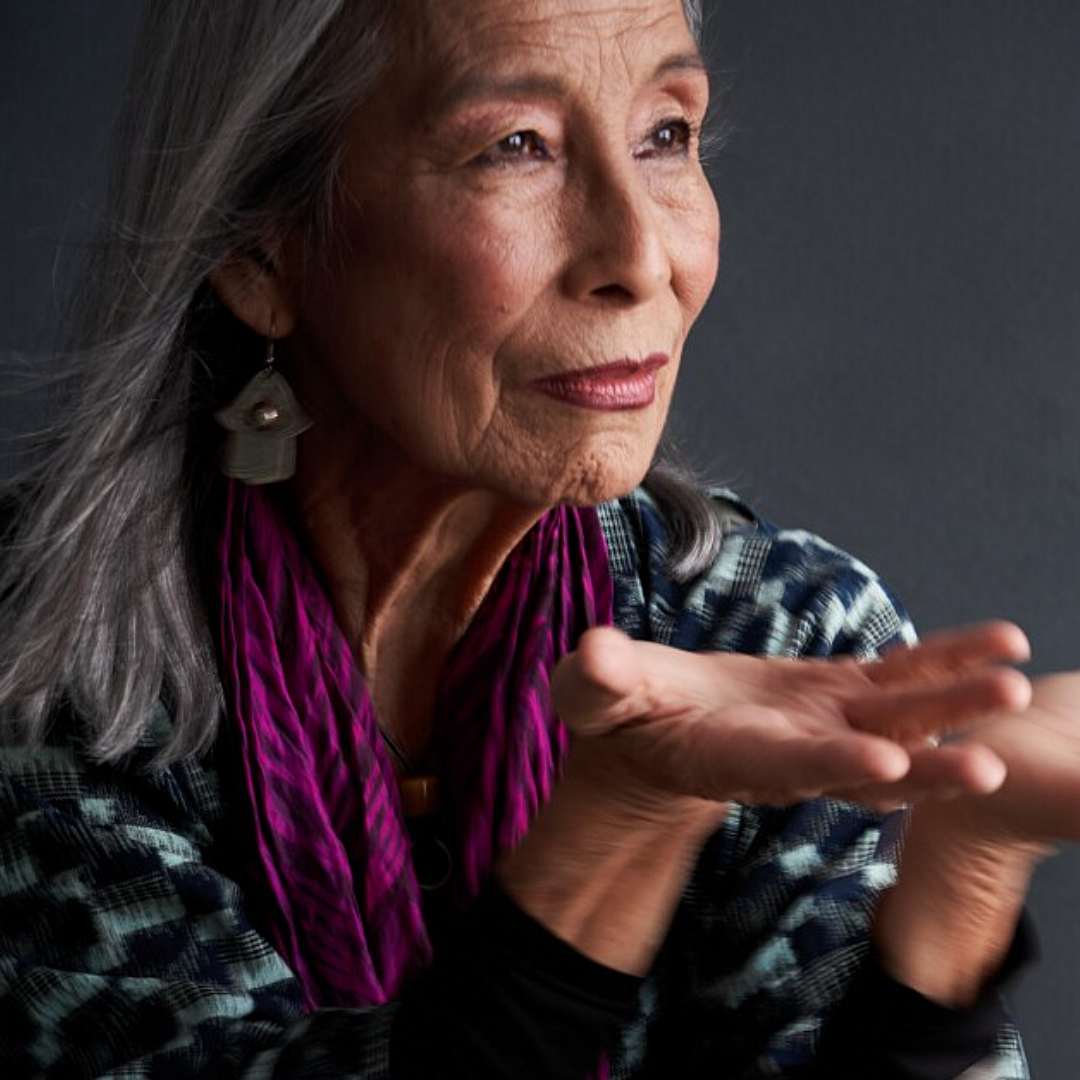
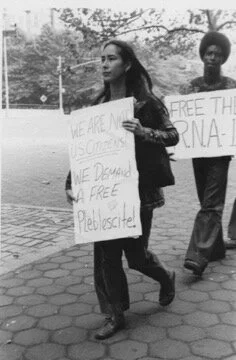
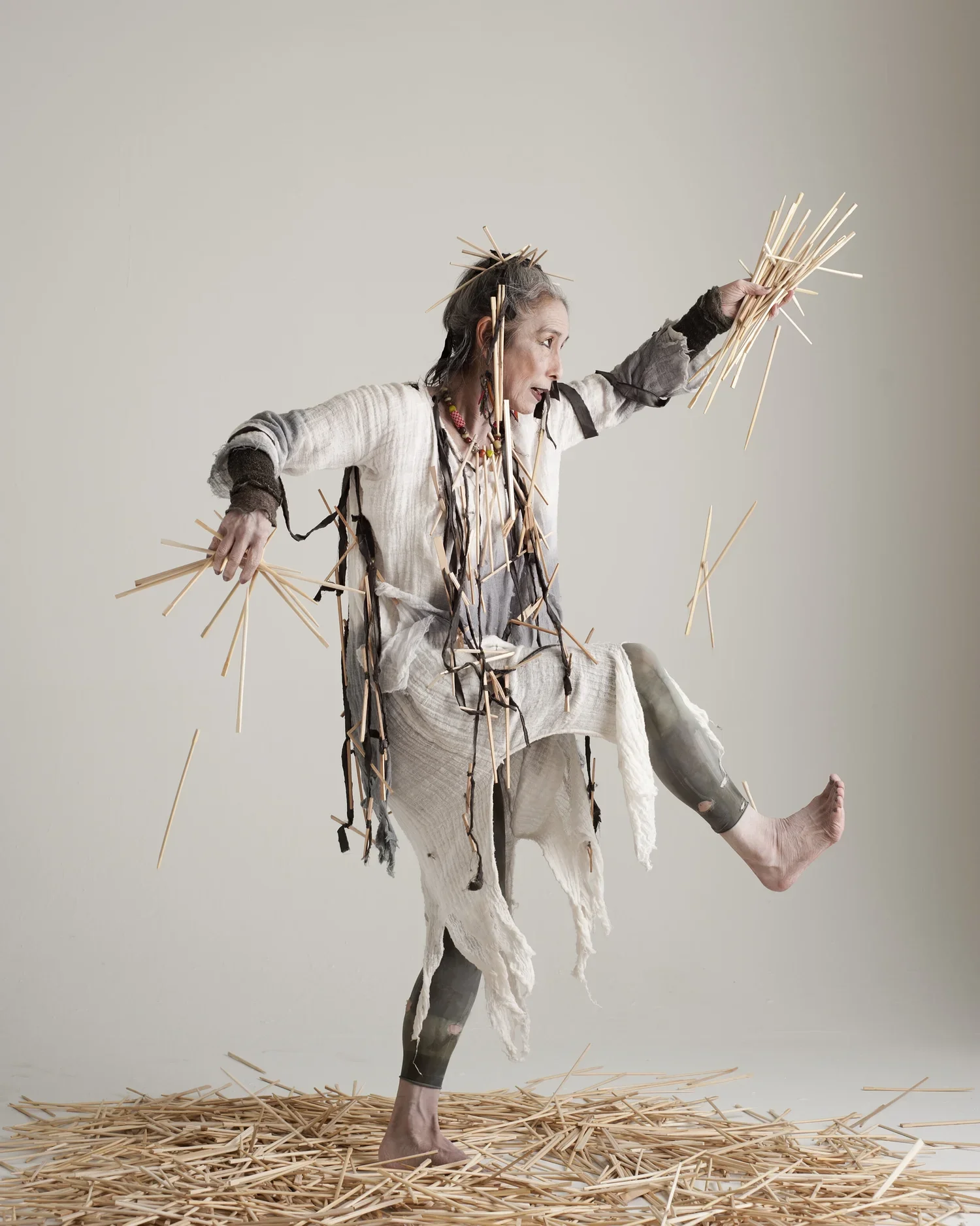
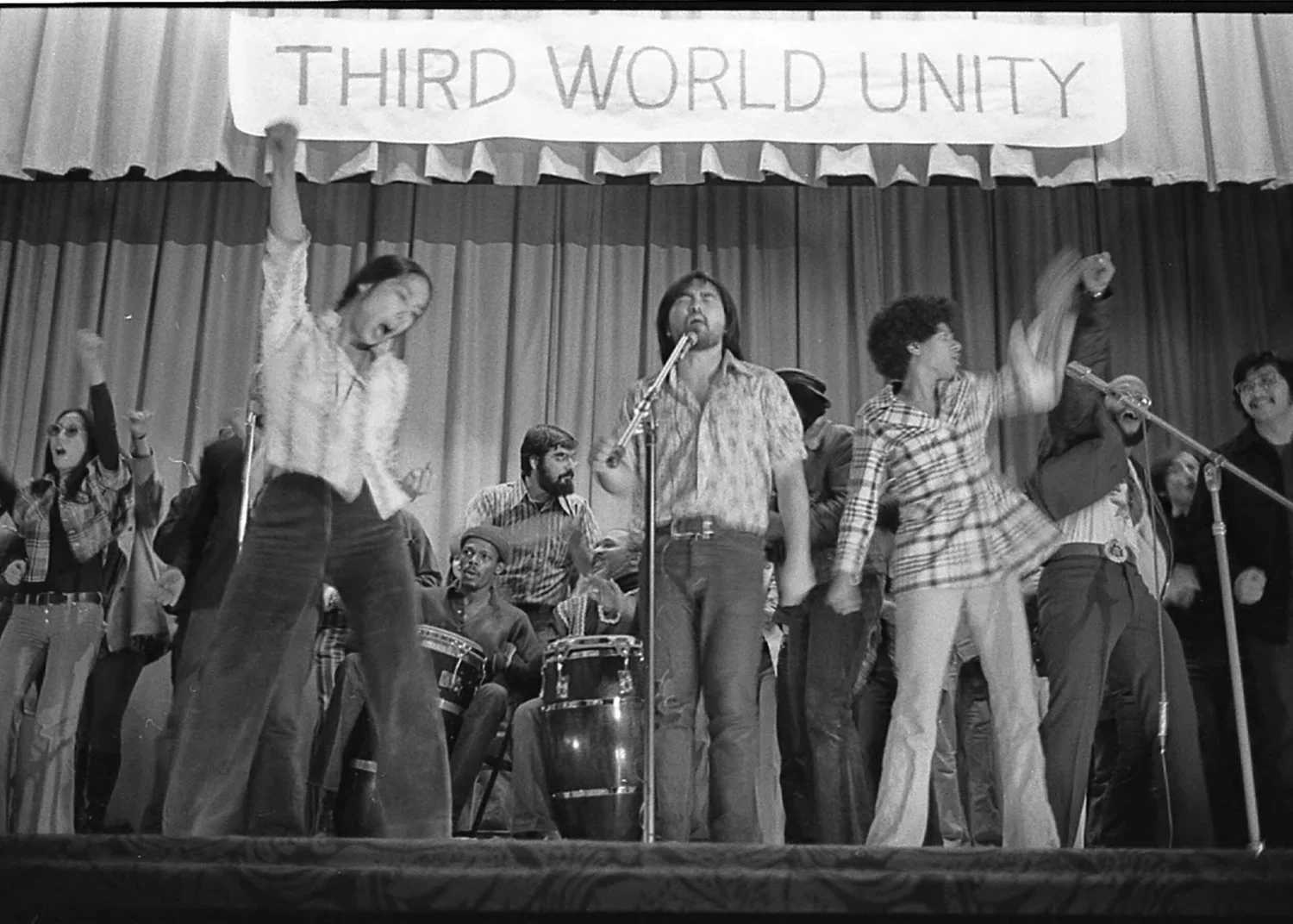
Nobuko Miyamoto is a third-generation Japanese American songwriter, dance and theater artist, and activist, and is the Artistic Director of Great Leap. Her work has explored ways to reclaim and decolonize our minds, bodies, histories, and communities, using the arts to create social change and solidarity across cultural borders. Two of Nobuko’s albums are part of the Smithsonian Folkways catalog: A Grain of Sand, with Chris Iijima and Charlie Chin, produced by Paredon Records in 1973, and 120,000 Stories, released by Smithsonian Folkways in 2021. Read more about this incredible creative force here, or check out her autobiography here!
CHRIS KANDO IIJIMA
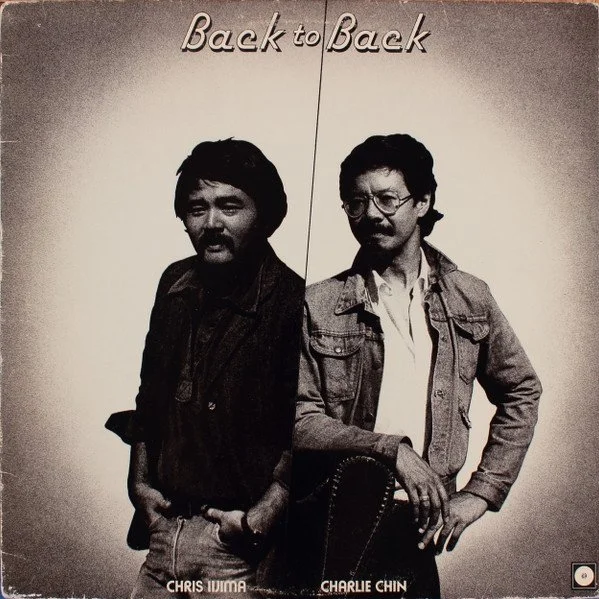
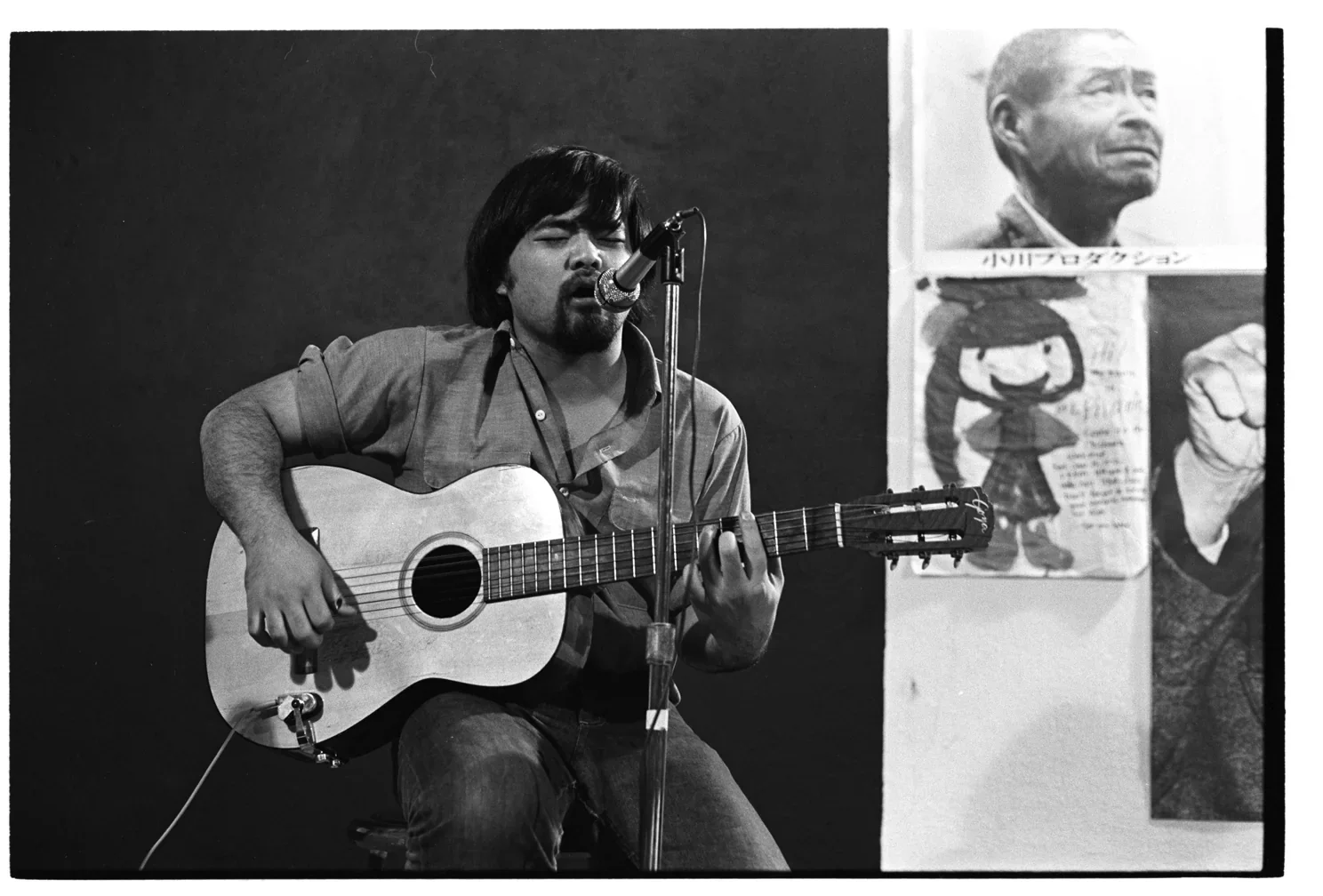
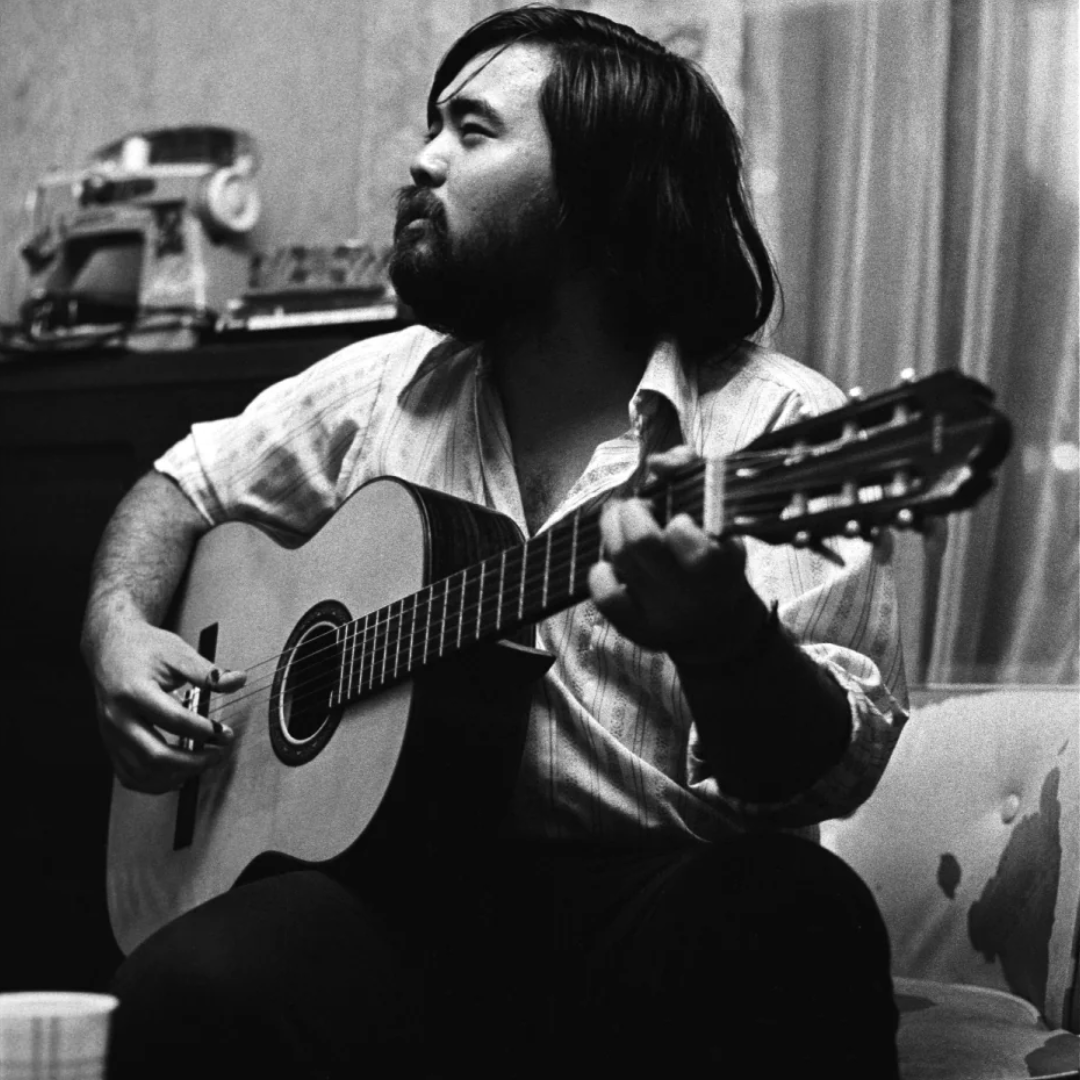
Chris Iijima, a lawyer, educator, legal scholar and musician was born in 1948 in New York City. In the late 60s he became involved in Asian American activism; co-founding the civil rights organization Asian Americans for Action. In addition to his musical career, Iijima would go onto to receive a Juris Doctor degree from New York Law School in 1988. He would serve as a faculty member at New York University School of Law, Western New England College School of Law, and the William S. Richardson School of Law at the University of Hawai’i at Manoa. He continued to write articles about the discrimination of Asian Americans and other racial groups until his death in 2005 at the age of 57 due to a rare blood disease. Learn more about Chris’s impact during his lifetime here.
WILLIAM DAVID “CHARLIE” CHIN
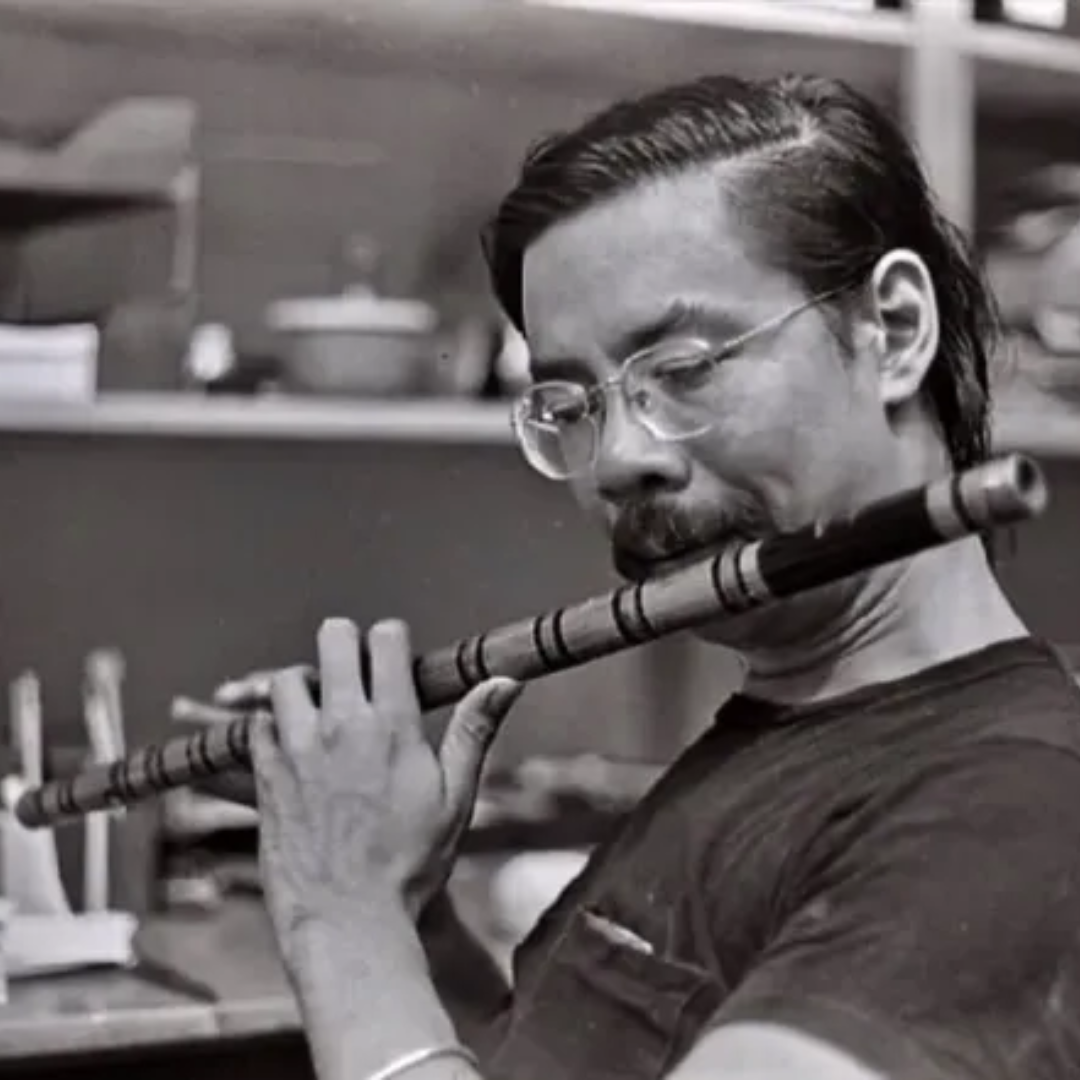
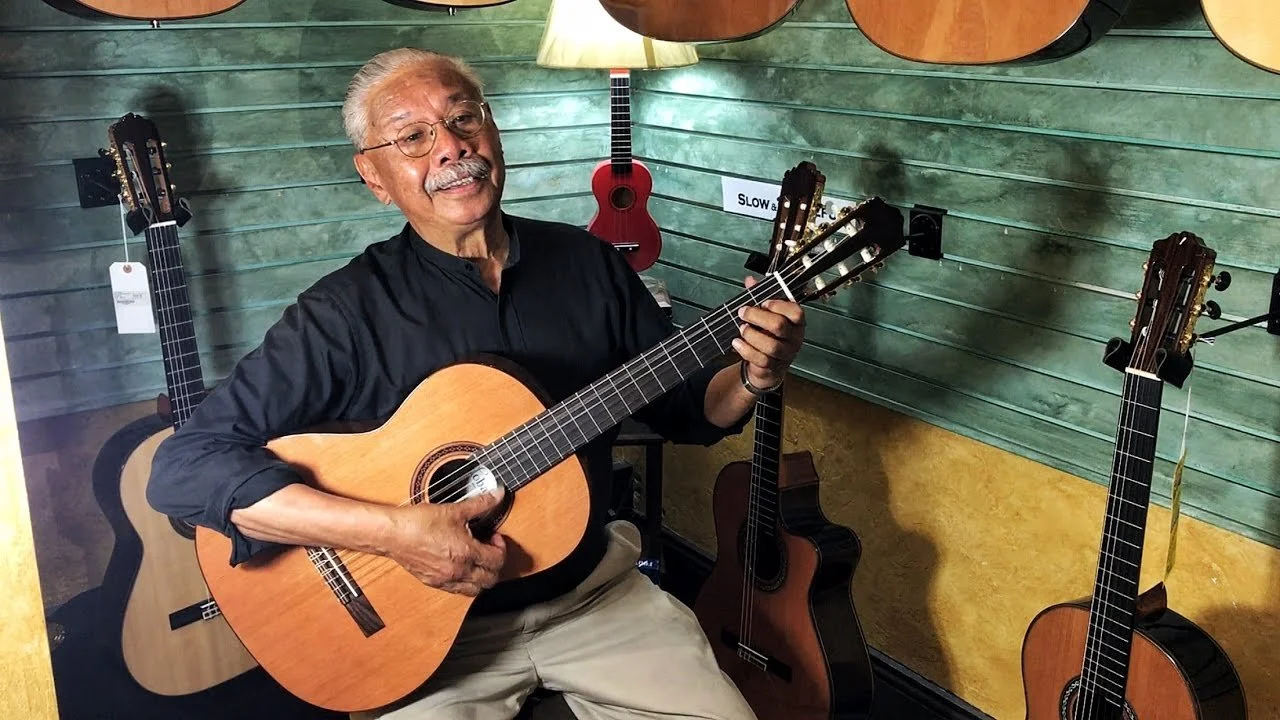
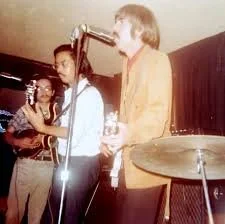
Charlie’s father came to New York City from Toisan, China; his mother, who was of mixed Chinese, Carib, and Venezuelan ancestry, was born in New York but raised in Trinidad. Growing up in Queens, Charlie’s musical upbringing was comprised of the Trinidadian forms played by his mother’s relatives and those emanating from the American folk music revival. Inspired by Pete Seeger, Charlie took up the banjo, but he also played cuatro, auto harp, and guitar. In the late 1960s, he toured the country with Cat Mother and the All Night News Boys. After he left the group, he returned to New York, where he worked as a bartender. In 1970, he ended up backing Chris and Nobuko by chance at a performance for a conference of new Asian American community groups, student organizations, and activists at Pace College—a performance that would eventually lead to the A Grain of Sand album.
ABOUT A THOUSAND TONGUES
Under the direction of Founding Artistic Director, Paolo Debuque, A Thousand Tongues is a Minneapolis-based arts organization dedicated to uplifting Asian and Asian-American voices through music, storytelling, and collaboration.
ATT explores themes of identity, history, and social justice, blending traditional and contemporary approaches to create deeply resonant experiences.
DIVE EVEN DEEPER
LISTEN
Playlist of the original A Grain of Sand album
How A Grain of Sand amplified Asian American identity | Here & Now radio program via WBUR/NPR
Within A Grain of Sand | Sounding Out! Podcast
WATCH
A Song for Ourselves | documentary by Tadashi Nakamura
Nobuko Miyamoto: A Song in Movement | documentary by ARTBOUND via PBS
On the Death of Asian Americans | lecture by Viet Thahn Nguyen
John Lennon introducing Live Performance of We Are the Children (1971) on Mike Douglas show | YouTube
Overview of Asian American organizing in the US | Al Jazeera Media
READ
A Grain of Sand original liner notes
A Grain of Sand: Music for the Struggle by Asians in America| Sojin Kim for Folkways Magazine
Every Action is a Grain of Sand: an interview with Paolo Debuque | Resonance Ensemble
How Nobuko Miyamoto Set the Asian American Movement in Motion | Ryan Lee Wong for THE AMP
Nobuko Miyamoto and Charlie Chin | Judy Lei for Hyphen Magazine
We Are All Part of Many Worlds: Nobuko Miyamoto’s Barrier-Breaking Art and Activism | Yosuke Kitazawa for PBS
EXPLORE
Community Archive Initiative | Asian American Art & Culture Initiative
Five Contemporary Asian American Composers You Should Know | Rebecca Richardson for All Classical Radio
Music of Asian American Research Center | Bibliography of Resources
SUPPORT
below are some organizations that are doing great work in our community and beyond - and they could use your support!
Immigrant and Refugee Community Organization
Asian Pacific American Network of Oregon
International League of People’s Struggle Portland
International Coalition for Human Rights in the Philippines Oregon
Southwest Asia and North Africa (SWANA) Rose Culture + Community Center
UP NEXT
SEASON 18 | SHIFT
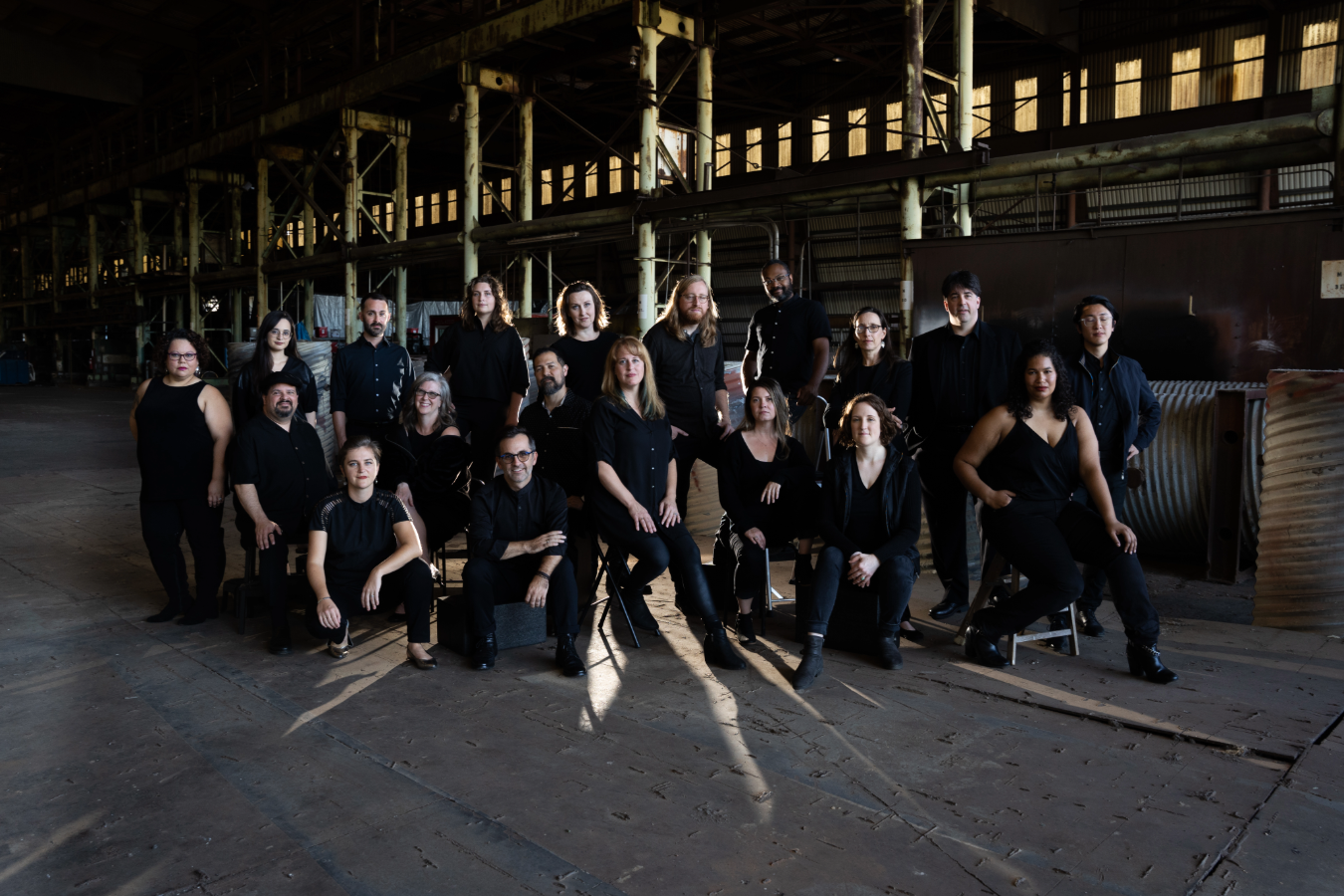
Across four powerful programs, Resonance Ensemble’s 18th season explores transformation through music, memory, migration, belonging, disruption, and joy.
BRUNCH & BAD CHOICES
September 26, 2026
We begin by breaking the rules.
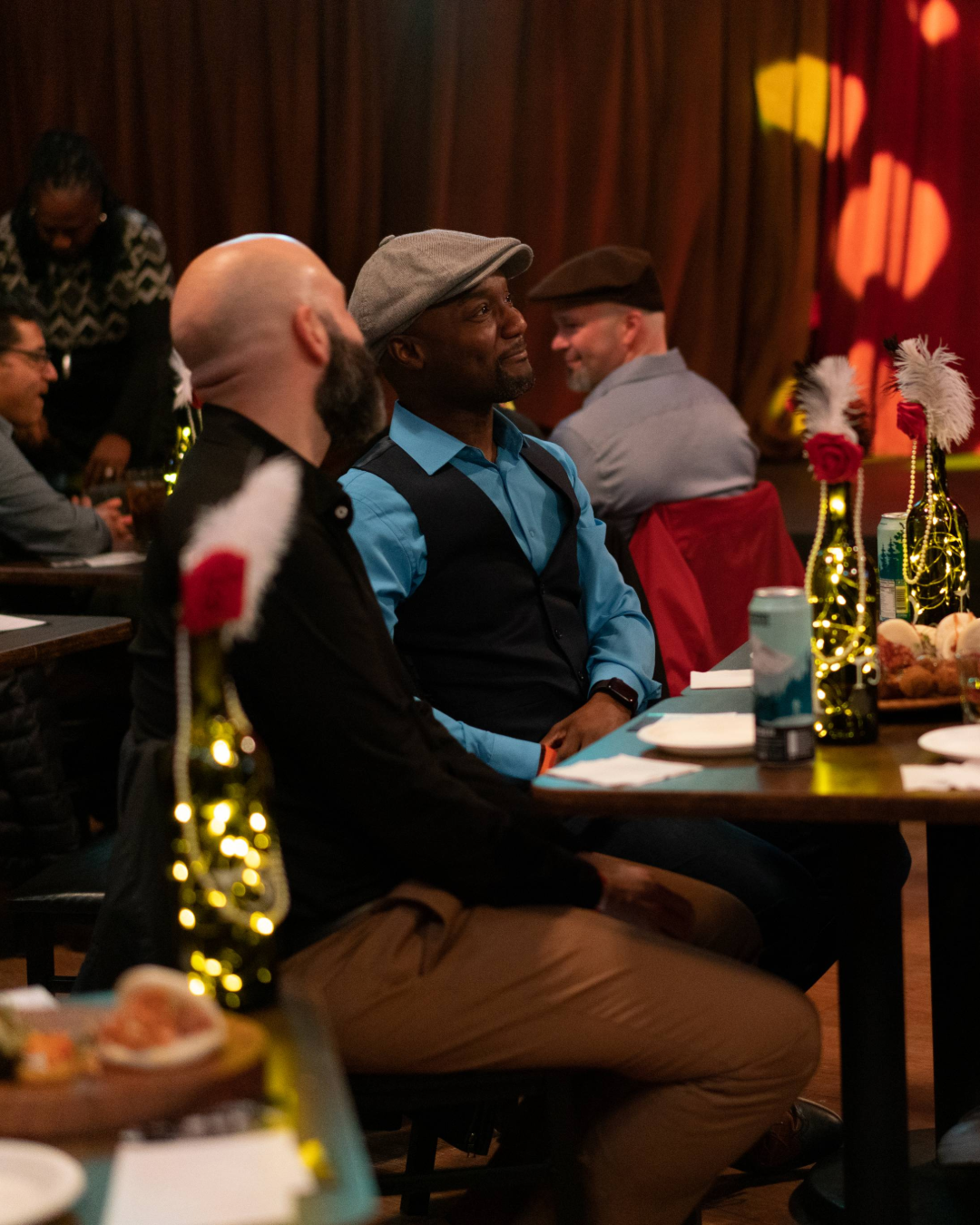
Get ready for a joyful, slightly unhinged Miscast-style fundraiser where our singers step into music they were never expected — or “supposed” — to sing. Over coffee, mimosas, and a bit of chaos, familiar songs transform in surprising ways. Pajamas are encouraged, decorum is negotiable, and every ticket purchased, dollar raised, and questionable musical decision made helps launch and sustain Resonance Ensemble’s 2026–27 season.
Saturday 11:00A
Alberta Rose Theatre
Portland, OR

FOR THE BIRDS
January 31, 2027
We listen beyond ourselves.
In partnership with Bird Alliance of Oregon, For the Birds explores bird song, migration, ecological soundscapes, and the fragile interconnectedness between humans and the natural world. Featuring our 2026–27 commissioning composer Judy A. Rose, and nature photographer Ethan Allred, alongside works by Rosephanye Powell, Caroline Shaw, and others, this program listens for music that exists beyond human authorship—calls, patterns, and songs that continue whether or not we stop to hear them.
Sunday, 3P
Agnes Flanagan Chapel
Portland, OR
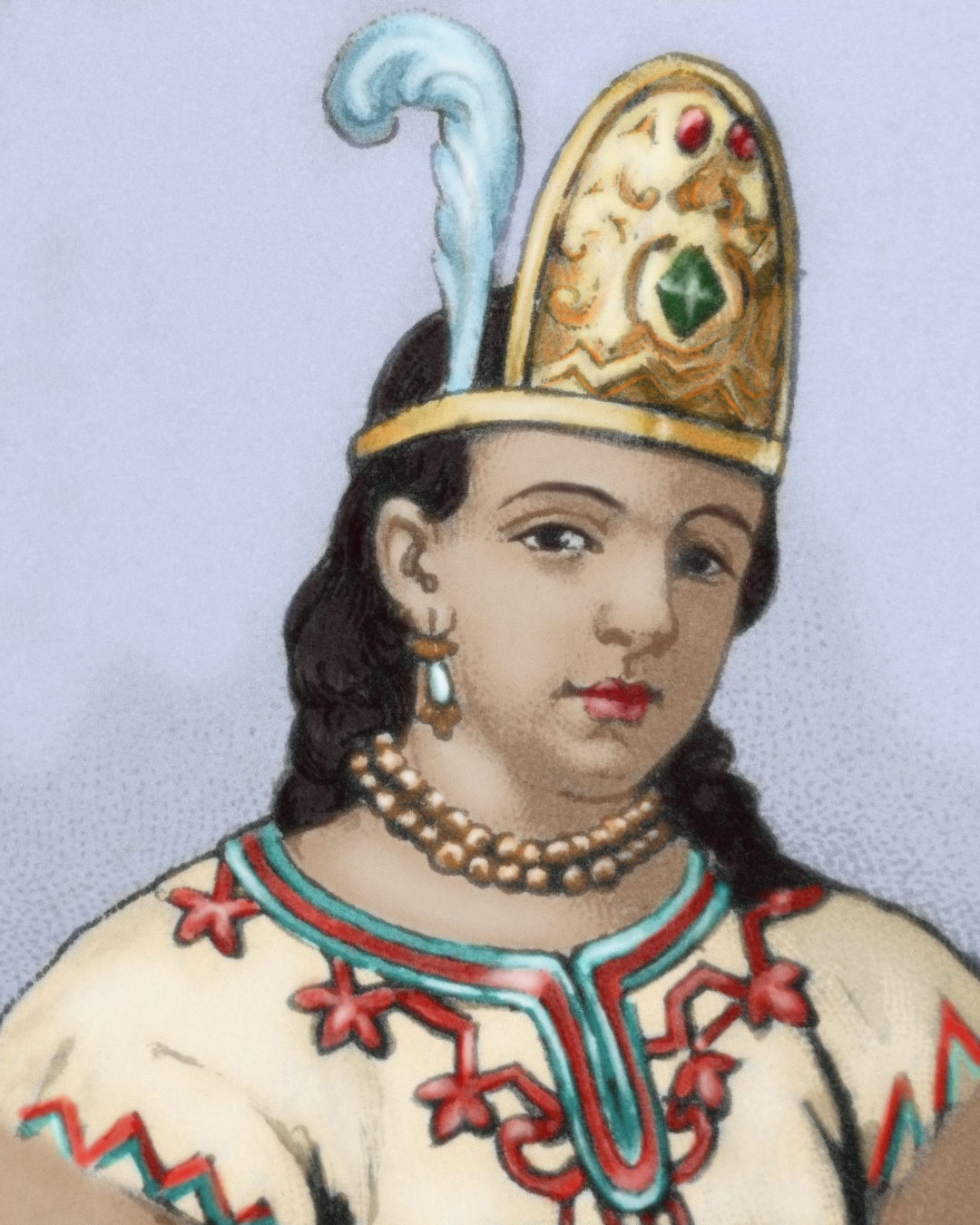
CONQUEST REQUIEM
March 13 & 14, 2027
We sit inside histories that resist simple telling.
Resonance joins forces again with Orchestra Nova Northwest, Choral Arts Ensemble of Portland, and guest soloists to present Gabriela Lena Frank’s Conquest Requiem. At once intimate and monumental, this large-scale work shaped by musical force and historical complexity invites us into narratives that refuse to resolve neatly, where meaning shifts with every perspective.
Saturday, 7:30P and Sunday, 3P
The Reser and TBD
Beaverton, OR and Portland, OR
ON THIS LAND
June 27, 2027
Whose land is it? What does it mean to belong to a land?
This program revisits Kenji Bunch’s Resonance Ensemble commission On This Land (text by Chisao Hata), shaped by Japanese American incarceration in the Pacific Northwest. Also on the program: Shruthi Rajasekar’s Whose Names Are Unknown and Freddy Viches’s Abya Yala—a multilingual choral suite created with Indigenous poets across the Americas, exploring connections with the land that transcend borders. Resonance is joined by musicians of Fear No Music and Las Matices Latin Ensemble.
Sunday, 3P
Agnes Flanagan Chapel
Portland, OR
Subscribers are more than audience members. You are artistic allies helping bring this season to life. We’ve designed this season with care, knowing how many ways you choose to support Resonance. Being a subscriber to the season expands how you experience Resonance, adding new points of access, deeper artistic connection, and more opportunities to step inside the creative process.