
WELCOME TO THE SHOW!
Still need directions for the show or have questions about accessibility?
Click here for complete information on Alberta Rose Theatre!
SCHEDULE
1:30pm - Doors open
2pm - Performance begins
The program is approx. 100 minutes with one 15-minute intermission
4pm - Concert Ends
-
yôtin (The Wind) was inspired by watching the wind swirl leaves and debris. I reflected on the wind, realizing that it can be gentle, playful, demanding, fierce or biting. Traditional Cree teachings about wind teach that the wind carries prayers and songs to others or the Creator. yôtin (!e Wind) honours the wind and the gifts it brings.
The minor key evokes the mood of a mysterious wind. The introduction is to be sung legato, taking note of the accents, vocal slides, grace notes, and falls. When the melody comes in, the underlying voices chant vocables which represent gusts of wind, urging us forward to the storm-like finale.
yôtin nipîtamak nikamona
yôtin kipîtamak nitayamihâwin
kisemanito nanâskamon yôtin ohciThe wind carries songs to me.
The wind carries my prayers to you.
Creator, I am thankful for this wind -
“Tádídíín béé atiin” is a Diné (Navajo) phrase meaning “corn pollen path” or “corn pollen road.” Corn pollen is sacred in Diné tradition—it is used in prayers throughout each day. Typically kept in a medicine pouch, the pollen is used by taking a pinch between the index finger and thumb; some is sprinkled on the head, some on the tongue, and the rest is sprinkled in the eastern direction as an offering for prayer. For the Diné, corn pollen is prayer.
The “corn pollen road” is a metaphorical path to living a beautiful life, based on a Diné concept of balance and beauty known as “hózhó.” It is believed that by using corn pollen in daily prayer, one can keep a healthy balance in life—spiritually, physically and mentally. This song for voice and piano explores the idea of the gift of balance and beauty that corn pollen provides for the Diné.
Tádídíín béé atiin éí
hózhǫǫ́jígo atiin.
Tádídíín éí béé tsohodizin.
Silver cedar smoke
Sounds of turquoise blessings
spoken
East they go
Golden pollen road
Walk the beauty way
Where Diyin Diné’é stay
Hear the sacred stones
Sacred mountains know
All that may be lost can be
found
On the corn pollen road
The corn pollen road is the
beauty way.
Corn pollen is prayer.
Silver cedar smoke
Sounds of turquoise blessings
spoken
East they go
Golden pollen road
Walk the beauty way
Where The Holy Ones stay
Hear the sacred stones
Sacred mountains know
All that may be lost can be
found
On the corn pollen road -
The Ohénton Kariwatékwen can translate as “The Words Before All Else”. It is commonly referred to as the “Thanksgiving Address” and is a traditional greeting of blessings to all of the natural world along with our responsibility to live in harmony with each other and all living things.
As part of cultural practices, it may be recited every morning in front of a fire as we offer sacred tobacco. It is also the start to every ceremony. Today, various versions have been created for public social gatherings and events. Sung in Kaniènkéha (Mohawk language), specific blessings for facets in the natural world are followed with the statement Thokati niaton onkwanikón:ra (Our Minds are in Agreement). If the listener’s minds are in agreement, they respond with the word Tho (It is so). The form of the composition follows the words as they are recited, but in a shortened form. Blessings for the natural world are the central section of the work. Many Mohawk elders including, Tom Porter are called upon to recite these beautiful words and he once explained that when we ask for blessings, it is as if we are asking for layer upon layer of blessings until the pile of blessings reaches the sky world. If he recites in English, what he calls, “The words before all else,” he speaks to the Creator about how it will be helpful to recite in a language that the listeners can understand, even though it is meant to be recited in Mohawk or Kanièke:ha. An introduction and closing for the people bookend the address.
Scored for alto voice with piano accompaniment, the work employs a shortened version of the Thanksgiving Address sung completely in Kaniènkéha. I wrote the piece with the wish that people who use this practice in their daily lives, may sing the entire song just as sacred words are sung in Christian Judaic, Sufi, Buddhist, Hindu and other spiritual groups. The piano’s lyrical, diatonic and sometimes playful accompaniment represents our responsibility to live with the natural world in harmony.
Thank you to Timothy Long, Randy Plimpton and the Plimpton Foundation for this commission and the vision to create the Native American Song Book to which I am honored to be included along with so many other wonderful Indigenous composers – now and in the future.
Ken tsiokwa sewatahonshi:iost
ken nikariwehsa
ne’e kati tehshitewanonhwera:ton
neShonkwaia’tison
ne’e wahi rohsa’anion
Akwe:kon tsi naho:ten teiotawen:rie
ne ionhontsa:te.Teithin nonwera:ton ne
Onkwehshon:’a
Iethi’nistenha tsi ionhontsa:te
Ohneka’shon:’a
Kentsion’shon:’aTho kati nia ton on kwa’ ni kon:ra
*ThoTeithin nonwera:ton ne
Ohonte’shon:’a
Ohtehra’shon:’a
Tionhekwen
Ononkwa’shon:’a
Kahi shon: ‘aA group of people, you all listen well
for a short time.
That we will give our greetings, love
and
respect to Creator and all of Creation
for all that has been made
All that is everything and continues
to be
moving about on this earth.We give layers of thanks to the
People
Mother Earth
Waters
FishOur minds are in agreement.
It is so.We give layers of thanks to the
Grasses
Roots
Foods
Medicines
Berries -
Indigenous Charcuterie, a miniature song cycle, springs from a desire to share some of the excellent humour that make Indigenous communities resilient. Gathering to feast is an essential part of maintaining a healthy society. As a Kwagiulth and Stō:lo woman who has been embraced by her community since birth I have grown up participating in Potlatch Ceremonies since the very beginning. While the food served at a Potlatch tends toward the traditional, such as salmon barbequed on cedar stakes, herring roe, oolichan grease and shellfish, we love our more recently adopted foods as well.
Fish and Rice, fried up with the simple seasoning of seaweed flakes has long been a staple comfort food in my family. China Lily soy sauce is sometimes added for a flavour boost. This was the only soy sauce available in remote communities when I was younger. Even now that many other brands can be found, there remains a loyalty to the China Lily brand with its easily recognizable yellow topped bottle.
Bannock became a staple when we were banned from hunting, fishing and gathering the foods we were accustomed to, placed on reservations and given rations that included flour. This is one of the adopted foods that has become “traditional”. Of the various ways bannick is enjoyed, in this song I refer to “Indian Tacos”. One can find them for sale at powwows, marketplaces and many other types of gatherings organized by Indigenous people. While the word Indian is not at all acceptable to use when referring to a person, the word is still widely in use when describing this food and so I have included it in this piece. If a time comes when this food takes on another name I give the performer full permission to switch out Indian Tacos for the updated version. Also mentioned in this movement are jam (home-made, of course) and Red Rose tea, two other staples of Indigenous community.
For the real tradish eaters on the West Coast Oolichan Grease is an extremely valued specialty. Made from fermented Eulachons, the process of extracting the oil from the fermented fish and refining/straining it until it is a clear golden liquid takes expertise and time. In Kwakwala we call it Tłina, meaning Liquid Gold and to receive this as a gift means you have high status in the community. The scent of oolichan grease will either make you salivate or run as far upwind as you can get! Not for picky eaters, it is incredibly good for you and is used as a dip or a spread for all kinds of food. I am told my grandpa Carey loved it so much he even put it on his dessert.
Butter tarts are a favourite in many communities and although this long-standing debate goes well beyond just our circles, I have never laughed harder than when following this debate between Indigenous people. Raisins or no, which side are you on? Skoden is simply short for “let’s go then”, which can be meant as a suggestion to go somewhere or as an invitation to fight. In this piece it is intended as an invitation to debate.
Hawkins Cheezies have the highest standing in Indigenous communities North of the colonial border. The crunchiest, and covered in the most orange powdered cheese, they are most certainly addictive. Pro tip, if you wish to keep your fingers from turning orange while enjoying this treat, try using chopsticks. This genius idea comes from the totem pole carvers who don’t want to get cheezie dust on their best carving knives. This is also a great tip for piano players...
Fish and rice
is so nice
when made with home-jarred Salmon
Add some China Lily soya sauce
And sprinkle on some dry seaweed.Don’t panic.
We’ve got bannock.
In some parts it’s called fry bread.
Indian tacos
or jam and Red Rose,
now take a seat, let’s get you fed.Oolichan Grease.
It’s an acquired taste
Not for everybody.
Tłina
Liquid gold.
Ollichan grease.Have you heard
that in some Indigenous communities
there’s a debate about the humble butter tart?
Do you like yours with controversial raisins?Skoden! Skoden!
So answer from your heart or else…
Hawkins cheezies I love you so much!
Orange as a safety cone
on the roadside.
Hawkins cheezies,
crispy, crunchy, delicious
I love you
and I will forever more. -
Azee ‘Ay’ah, Dine’, Owl Medicine
Around the planet, owls have been revered and reviled due primarily to their nature as night hunters. Their plaintive calls vary within the diverse family of the species Strigiforms. The symbolism includes wisdom, intuition, observant listening, and independent thinking. Night caller is one of the many titles given to the owls by tribes throughout the planet. Stories and songs also relate to the activities and nature of these birds. In the Athapascan-speaking cultures they are regarded as harbingers of good fortune, or they forewarn of danger. In any case, these remarkable avian people demonstrate many admirable traits as family-oriented beings living solitary lives within the panoply of the natural environment.
I call, I call; into the night
I call, I call; in the lunar glow.
The wise one sings
Listen now
I hear wise ones calling to me
I hear now
They too Hunt for family.
I hear now young ones calling,
They have fledged, soon to fly,
To have a life of their own.
Now, the wise one softly calls, in
the moon light glow
All is one and one is all.
Young ones now on their own,
making their way in the world.
Life goes on.
Changes happen
All is well, All is well. -
Words by Yalie Saweda Kamara
We carry
the sound
of infinity
in our chests.
Undying.
Unflinching.
Listen closely
to the silk
ribbon of
our voices,
how they
connect
the points
of the
drinking gourd,
so that we
don’t forget
from whom
we’ve come.We are
freedom bright,
with mouths
arched toward
the evening sky.
Our song ripens
the uncertainty
of night into
the honeyed
brilliance
of a new dawn.
Hear us.
Hear them.We sing
from on high,
perched
atop
the soldiers
of ancestors.
We resurrect
the ghosts
of hope.
Their pulse,
the tempo
of our
hymns
beloved.
Hear us.
Hear them.Behold
the legacy
of the lyric
of our people.
This balm.
This calm.
Our healing.
We harmonize
to incandescence,
unearth
the embers
of joy
from the ash of sorrow.
Remember.
Remember.
Hear us.
Hear them.We sing
each other
into a new body
into a steadfast
eternity,
until your blood
is my blood.
Until my suffering
is no longer
a foreign word
on your lips.Your tongue,
my tongue.
Familiar.
Kin.
Remember.
Remember.
If you
hear us,
you
hear them. -
Words by Manny Loley
Dá’ák’eh ‘alnįįdo
Tádídíín bizaad
‘Ádiits’a’
Dá’át’aąą yiigháadgo
Whoosh hwoosh daaníigo
Náhaltingo béédajilniih
Dá’át’ąą
Diné hózhónii yee
Dóó bixh’i’dahwinanigii
Béédajilniih
Tádídíín bizaad
Yiists’ąągo
Shiná’iilná
shi nák’eeshto’naalti
Dá’ák’eh ‘alnįįdo
Tádídíín bizaad
T;aa;altsojí’
Hózhǫ náhasdlįįFrom the center
of the cornfield,
the language of corn pollen
sounds.
When the corn stalks rustle,
as they say hwoosh hwoosh
in the wind,
they remember
the rain.
They remember
our beauty
and our hurt.
The language of corn pollen
moves within me—
woven into mountain
song, dawn song,
my name
in my mother’s voice.
My tears are raining.
From the center
of the cornfield,
the language of corn pollen
makes everything
beautiful and harmonious -
What do you see when you see me.
What do you hear when you hear me.What do you taste when I'm singing.
What do you touch when you feel me.My unhoned language foreign to your lips
our smooth cadence vanquishing the night with mother's hands, honeyed in the new dawn.The canyon walls are formed by a stream, first you must wade before you can swim.
-
Adapted from poem by E. Pauline Johnson
A stream of tender gladness,
Of filmy sun, and opal tinted skies;
Of warm midsummer air that lightly lies
Midway ’twixt earth and heaven,
A bubble in the pearly air, I seem
To float upon the sapphire floor, a dream
Of clouds of snow,
Above, below,
Drift with my drifting, dim and slow,
As twilight drifts to even.Mine is the undertone;
The beauty, strength, and power of the land
Will never stir or bend at my command;
For others Fame
And yellow gold: I only claim
The shadows and the dreaming. -
Wayfinding, observing nature, and respecting the ocean have been present and important to me since childhood. So when Rónadh and Brad asked me to be part of the National Science Foundation-funded “A few waves do most of the work” project, I felt very connected to their ideas of integrating knowledge and research about the ocean into music.
Prof. Cox’s research inspires metaphor: a few waves can make a difference, and have made our work as Kanaka Maoli artists relevant to today’s dynamic landscape where science and indigenous knowledge celebrate the power of nature.
The work is sung completely in ‘Ōlelo Hawaiʻi. A language that is changing, that is evolving, that is new, is alive. Similarly, compositional practices that engage new sounds through an indigenous lens embrace native language and ways of knowing as an active, living parts of the creative process.
i. ō
ō. 2. vi. To remain, endure, survive, continue, go on, exist; continuing. . . . Ke ō nei nō kēlā mele, that song still survives now.
ʻō. 1. loc. n. There, yonder, beyond
ʻōpikipiki. nvs. Anxiety, mental disturbance; agitated, as the sea.
pikipiki / pikipikiʻō. vs. Rough, stormy, choppy, as the sea. Fig., agitated in spirit.
kiki. 4. vt. to kiss Eng. Rare.
kikī. 1. vi. To flow swiftly, spout; to spurt, as water from a hose
kīkī. 1. . . . Waikīkī (name), spouting water [a reference to the many springs and streams in the Waikīkī ahupuaʻa that extended far inland].
kikiki. 2. Short for ʻūkikiki, a fish. 3. n. A bird. 4. Same as ʻiʻiʻi or makaliʻi, tiny.
kikikiki. 1. To mend, as a crack in a wooden bowl.
ii. nāueue
nāueue, nauweuwe. Redup. of naue. hoʻonāueue. To cause to sway back and forth.
neʻe heʻe. vi. To creep along, as a child or octopus. Lit., octopus hitch.
neʻeneʻe. 1. . . . [creep.] neʻeneʻe ā pili to move close by, snuggle.
iii. nāʻū
nāʻū. 4. vi. Sighing deeply; to prolong the breath, especially in a children’s game at Kona: children would make a prolonged u-sound just at sunset, believing that the sun would not set as long as they held their breath; to play nāʻū. Hāʻule naoa ka wai a ke kēhau, ke nāʻū lā nā kamaliʻi (chant for Kamehameha II), the water of the kēhau mist falls rippling as the children play nāʻū.
naue, nauwe. vi. To move, shake, rock, sway, tremble; to quake, as the earth; to vibrate; to march; loose and insecure, as a tooth; revolving, as hips in a hula. . . . hoʻonaue. To cause to shake, revolve, sway, rock; to disturb. Ka ua hōʻoni, hoʻonaue i ka puʻu koʻa, the rain sways in a dance and shakes the coral pile.
iv. nalukai
nāu. n-poss. Yours, belonging to you, for you, by you . . .
Nāu mai ā naʻu aku, your turn and then mine.
naʻu. n-poss. Mine, belonging to me, for me, by me
nalu. 1. nvi. Wave, surf; full of waves; to form waves; wavy, as wood grain. Ke nalu nei ka moana. The ocean is full of waves.
hoʻonalu. To form waves. 2. vt. To ponder, meditate, reflect, mull over, speculate. . . . 3. n. Amnion, amniotic fluid. (PPN, PCP lanu; note Hawaiian metathesis.)
nalukai. vs. Weatherworn, as old canoes or persons who have weathered the storms of life. Lit., ocean wave.
nalunalu. vs. Rough, of a sea with high waves; to form high waves.
-
Words and original music by Rising Appalachia
I am resilient
I trust the movement
I negate the chaos
Uplift the negative
I'll show up at the table, again and again and again
I'll close my mouth and learn to listenThese times are poignant
The winds have shifted
It's all we can do
To stay uplifted;
Pipelines through backyards,
Wolves howlin out front
Yeah, I got my crew but truth is what I want
Realigned and on point
Power to the peaceful
Prayers to the waters
Women at the center
All vessels open to give and receive
Let's see the system brought down to its kneesI'm made of thunder
I'm made of lightning
I'm made of dirt, yeah
Made of the fine things
My father taught me that I'm a speck of dust
And this world was made for me
So let's go and try our luckI got my roots down deep
I got my roots down deepSo what are we doing here? What has been done?
What are you gonna do about it when the world comes undone?
My voice feels tiny and I'm sure so does yours
But put us all together we make a mighty roarI am resilient
I trust the movement
I negate the chaos
Uplift the negative
I'll show up at the table, again and again and again
I'll close my mouth and learn to listen
PROGRAM
Click here to peruse the digital version of our program, or continue below to read more about the programmed works.
program subject to change

We'd Love to Hear from You!
Please take a few minutes to fill out our audience survey - your responses help us better understand your experience at Resonance events, as well as allowing us to better communicate how our work helps our community to potential donors, funders, sponsors, and granting organizations.
Thank you for your time in providing this valuable feedback!
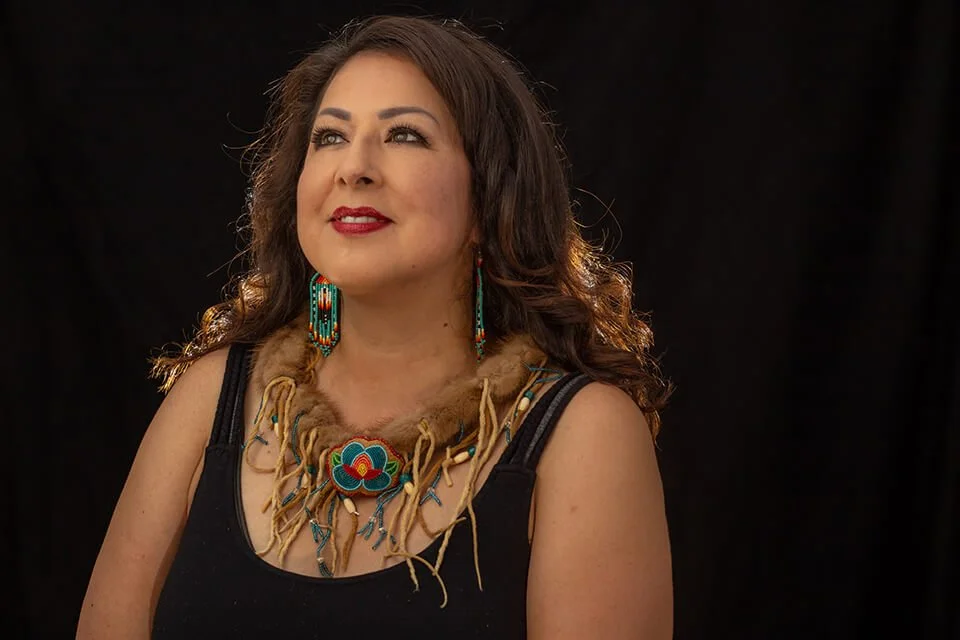
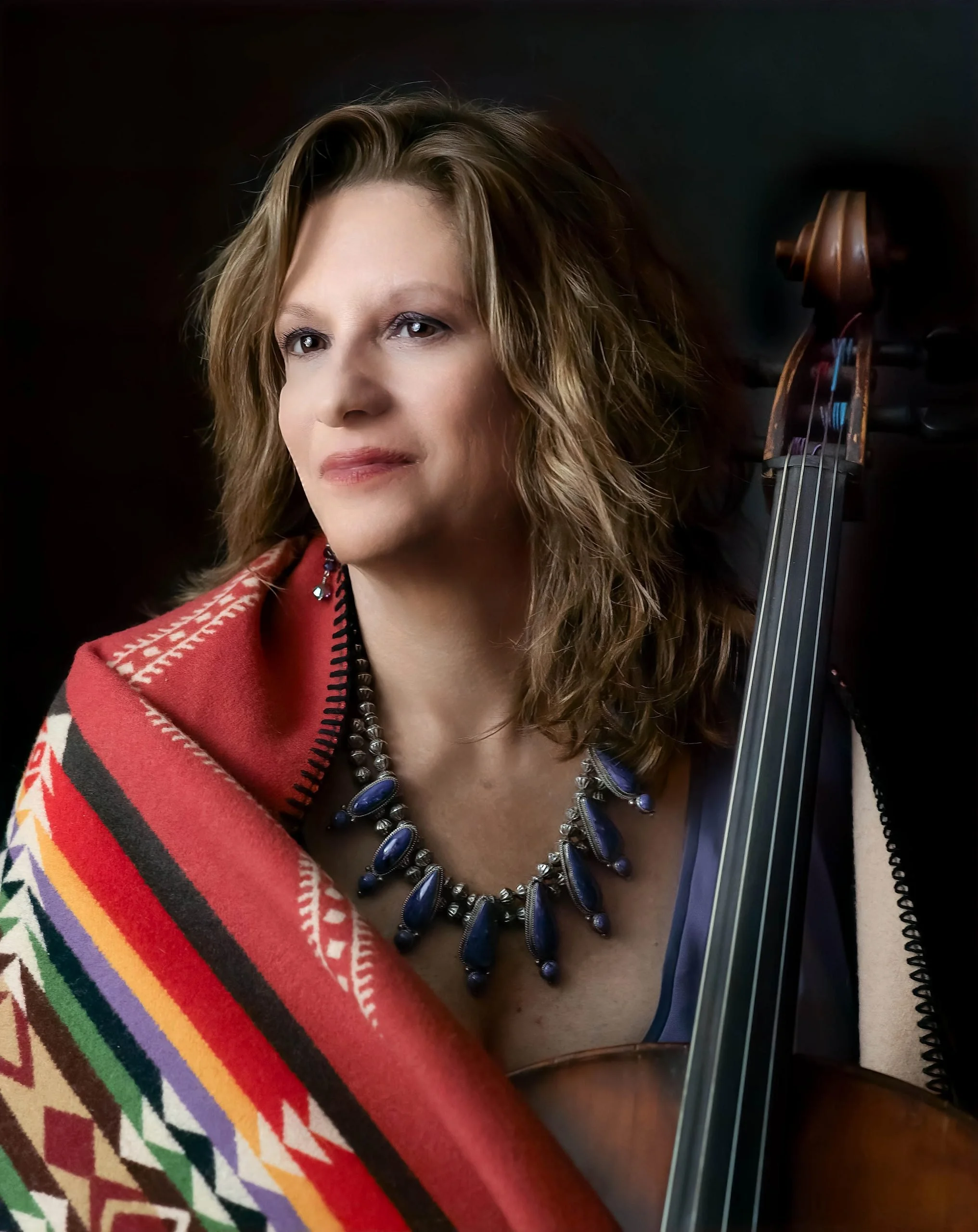
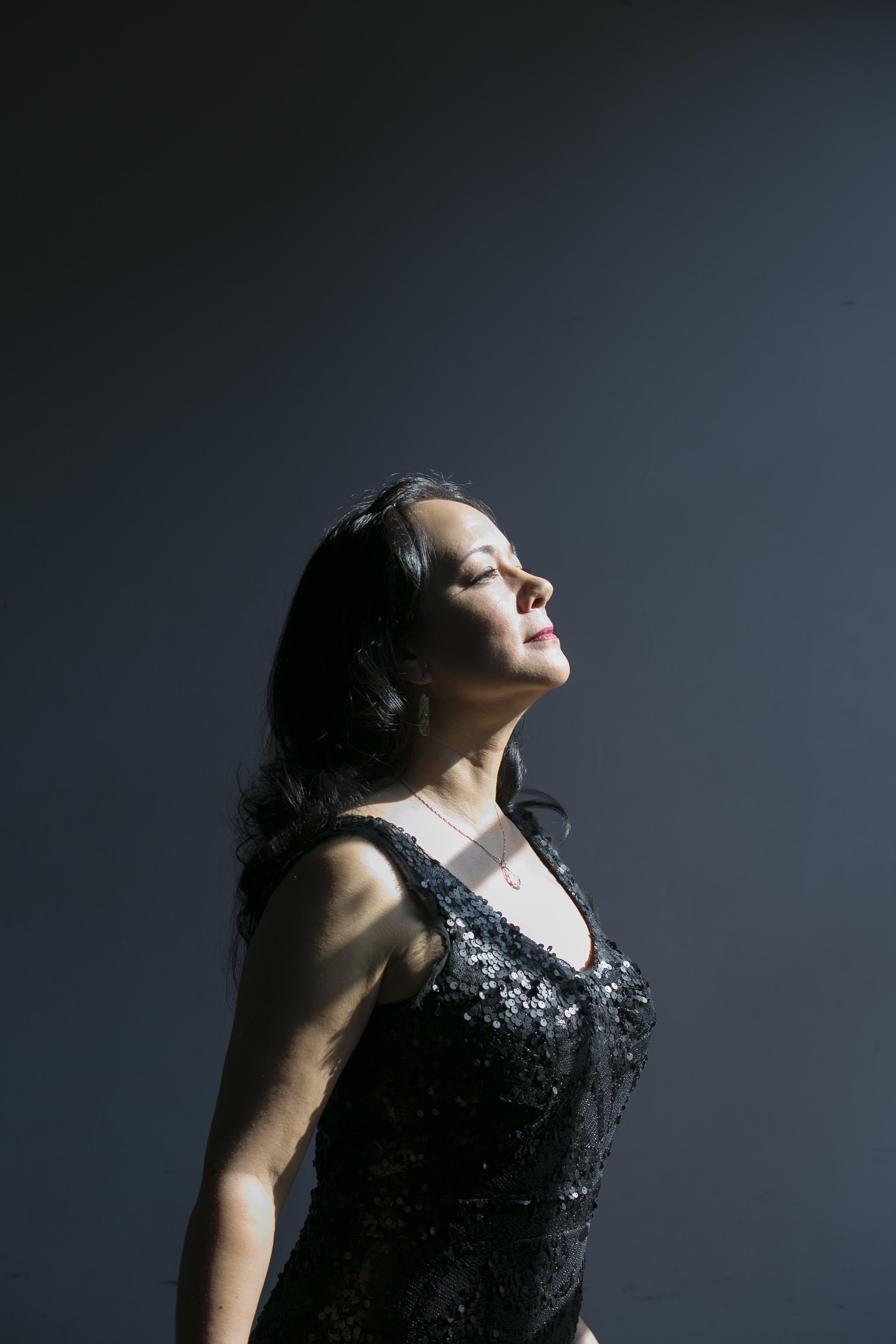
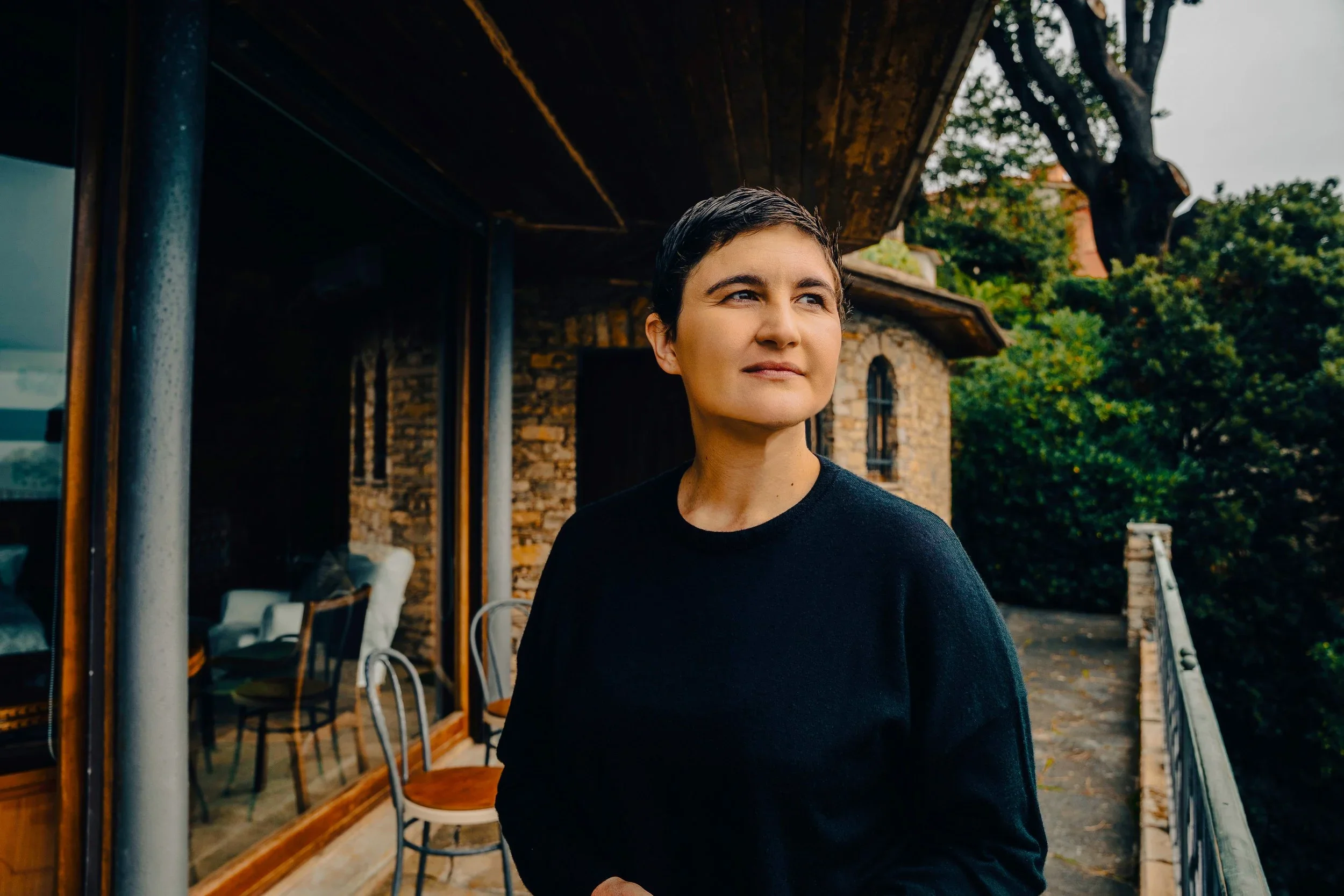
To learn more about the performing artists at today’s concert, read their bios on the program.
To learn more about the composers featured on the North American Indigenous Songbook project, click here.
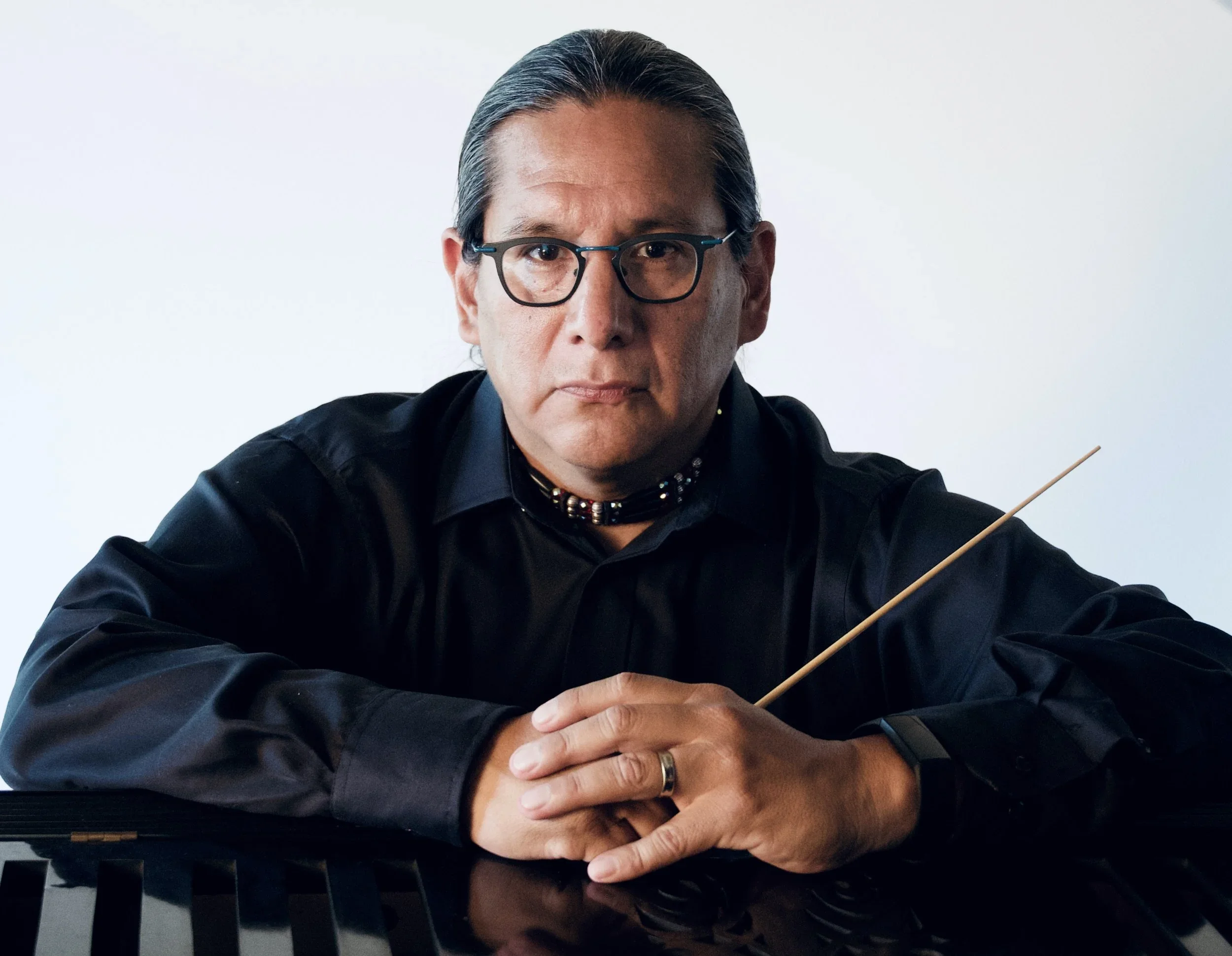
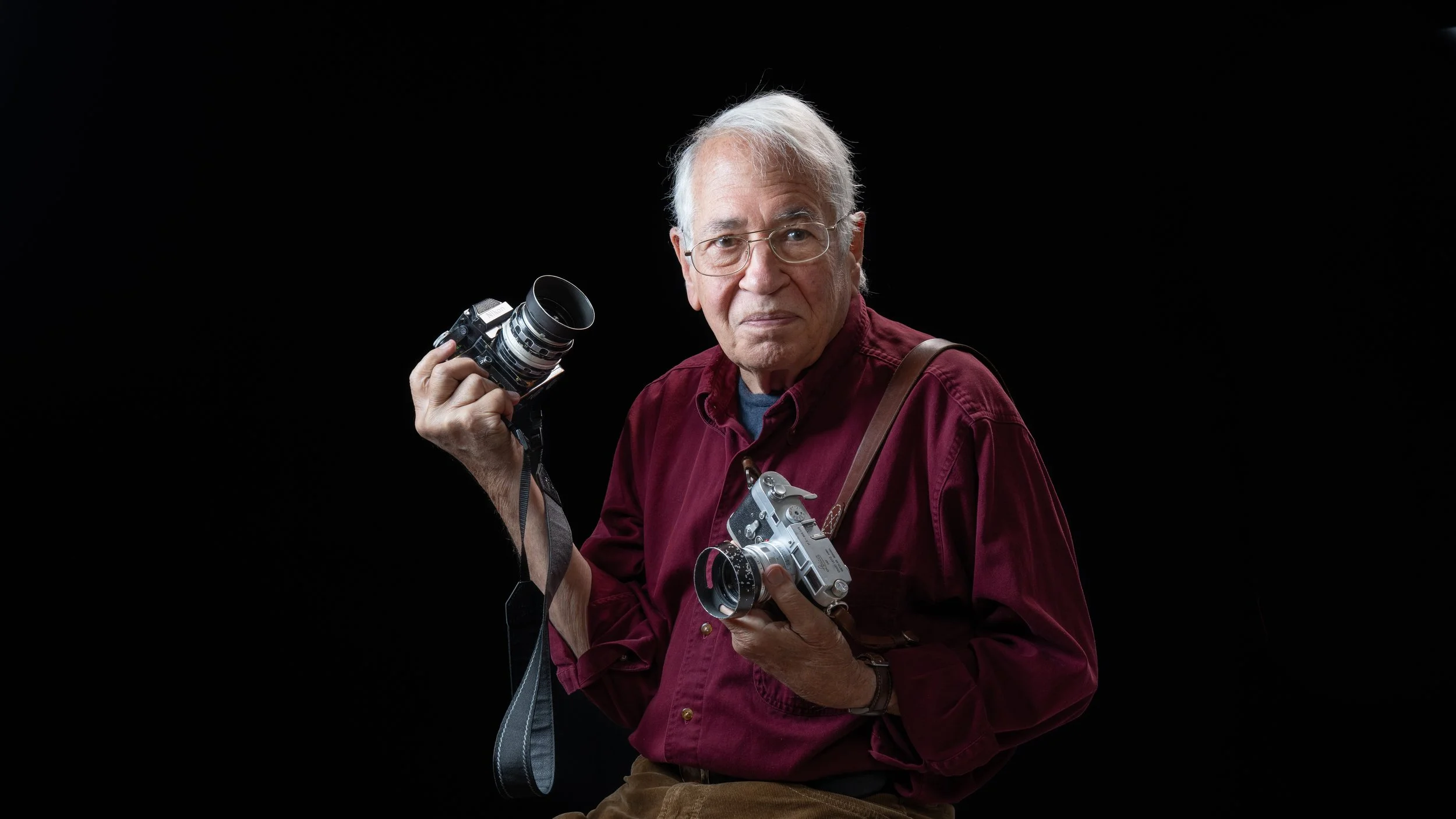
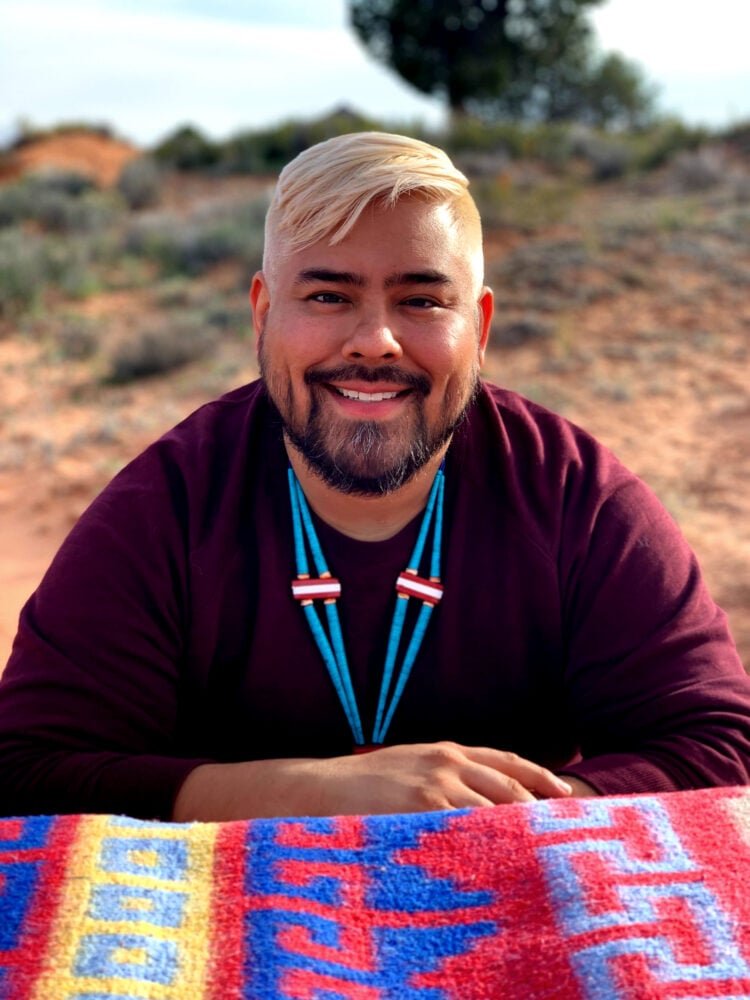
MEET THE ARTISTS




LISTEN
Explore more collections from this incredible collection of works - courtesy of National Sawdust and the Plimpton Foundation!
ABOUT THE SONGBOOK | Words from Timothy Long
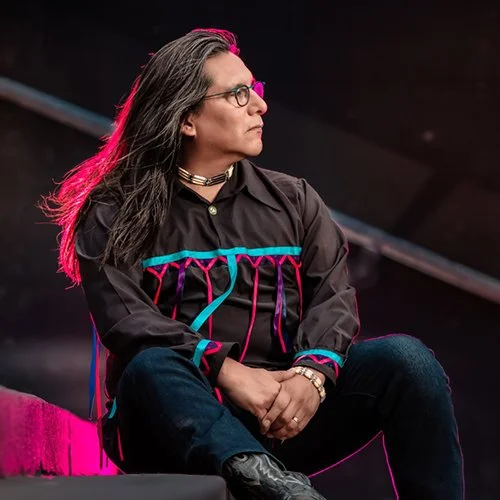
In 2020, musicians became interested in finding composers whose music had been previously excluded and ignored in the concert halls. Singers, pianists, and teachers began contacting me about vocal music written by Native American and Indigenous composers. Although I knew music by Native Americans, none that I knew was for singers in the concert hall, namely, pieces that my students and colleagues could freely sing without fear of appropriation. The North American Indigenous Songbook attempts to fill this void by creating a new library of repertoire written by descendants of the first inhabitants of North America.
As a child in Oklahoma, Beethoven’s music became my guide, and I eventually saw how my Native American culture and Western European culture were fusing to birth something new. This became the North American Indigenous Songbook. The Songbook compositions exhibit the great diversity and talent of Native American, First Nations, and Métis people.
In North America (Turtle Island), there are over 1,000 recognized tribes, nations, and governments still in existence. The North American Indigenous Songbook concert represents a multitude of these tribes and our first series of composers encompass 10 tribal nations with accolades that include the Pulitzer Prize, a MacArthur “genius” grant, and multiple Grammy nominations. At the 250th anniversary of the United States, we celebrate the entire continent of Turtle Island by bringing hope and unity to the world through words, music, and celebration.
YOU ARE ON NATIVE LAND
Learn more about Native Americans in modern-day Oregon, and their fight to be heard, respected, and recognized.
READ
The Native American Community in Multnomah County: An Unsettling Profile
Leading with Tradition: Native American Community in the Portland Metropolitan Area
Native Lands and Reservations, Maps
Native Drums - A Resource Guide on the drum music of First Nations in modern day Canada
Oregon Tribes | Explore the history and communities of the First Peoples from your region
Confederated Tribes of Coos Lower Umpqua, and Siuslaw Indians
Confederated Tribes of Grand Ronde
Confederated Tribes of Umatilla Reservation
Confederated Tribes of Warm Springs
Cow Creek Band of Umpqua Indians
WATCH
Broken Treaties - Documentary from Oregon Public Broadcasting
LISTEN
North American Indigenous Songbook Video Series
Turtle Island Storytellers Series | Selections from the Turtle Island Storytellers series, produced by Wisdom of the Elders
Agnes Baker-Pilgrim
Trevino Brings Plenty
Pat Courtney Gold
Eddie Ehret
Elaine Labonte
Spider Mocassin
Lillian Pitt (Wakamu)
SUPPORT
AMERICAN INDIAN MUSICIANS SCHOLARSHIP | We envision a future where Indigenous musical ideologies are strengthened and carried into the future by our own Indigenous musicians and scholars, that their knowledge and skills may build up and reinforce the sovereignty of their tribal nations.
BUY NATIVE GUIDE (MERCATUS PDX) | We all owe our success to the tribes that have stewarded our natural resources for hundreds and hundreds of years. We would like to acknowledge Indigenous communities past, future, and present to honor and respect the original Portlanders. In an expression to honor local tribes, we have built this directory so that you may too navigate to support Indigenous and Native American business owners.
ILLUMINATIVE | IllumiNative is an unapologetically ambitious and innovative Native women-led organization, grounded in core Native values and community, and guided by research.
NATIVE AMERICAN YOUTH AND FAMILY CENTER (NAYA) | When the Native community thrives so does the entire Portland region. NAYA offers a wide array of comprehensive services and community-based solutions, including lifelong educational opportunities, cultural identity, leadership development, elders support, homes for families, early childhood programs, and paths to financial security based on traditional tribal values.
OREGON NATIVE AMERICAN CHAMBER (ONAC) | The Oregon Native American Chamber is a community of professionals, advisors, organizations, entrepreneurs, and companies collectively working toward success in business and community. We provide information, networking opportunities and mentoring. Connect with our resources and other members as you drive your business toward success.
PORTLAND INDIGENOUS MARKETPLACE | Portland Indigenous Marketplace supports Indigenous artists and entrepreneurs by providing barrier-free, culturally respectful spaces that encourage cultural resilience and economic sustainability by promoting public education through cultural arts.
WISDOM OF THE ELDERS | Wisdom of the Elders records, preserves, and shares oral history, cultural arts, language concepts, and traditional ecological knowledge of exemplary Native American elders, storytellers, and scientists in collaboration with diverse institutions, agencies, and organizations. Our vision: Native American cultural sustainability, multimedia education, and cultural reconciliation.
TONIGHT WAS MADE POSSIBLE THANKS TO YOU!
UP NEXT

A GRAIN OF SAND, REVISITED
Sunday, June 7 | 2pm | @Alberta Rose Theatre
The season closes in June with A Grain of Sand, Revisited—a poignant reflection on Asian American political formation through music and storytelling.
In collaboration with A Thousand Tongues—a Minneapolis-based arts organization dedicated to uplifting Asian American voices—this concert blends past and present, featuring selections from the seminal 1973 protest album A Grain of Sand, alongside choral works by contemporary Asian and Asian American composers including Shruthi Rajasekar, Tracy Wong, and Saunder Choi.
A concert examining Asian American activism, solidarity, and identity formation, A Grain of Sand, Revisited traces the roots of the now-familiar term “Asian American,” coined in the late 1960s to foster unity among pan-Asian activists engaged in the broader, multi-ethnic struggle for self-determination. Through music and reflection, this program explores that radical legacy and the enduring lessons it offers today.
The program is co-curated and conducted by ATT Artistic Director Paolo Debuque, Adrianna Tam, and Resonance Associate Conductor Shohei Kobayashi.